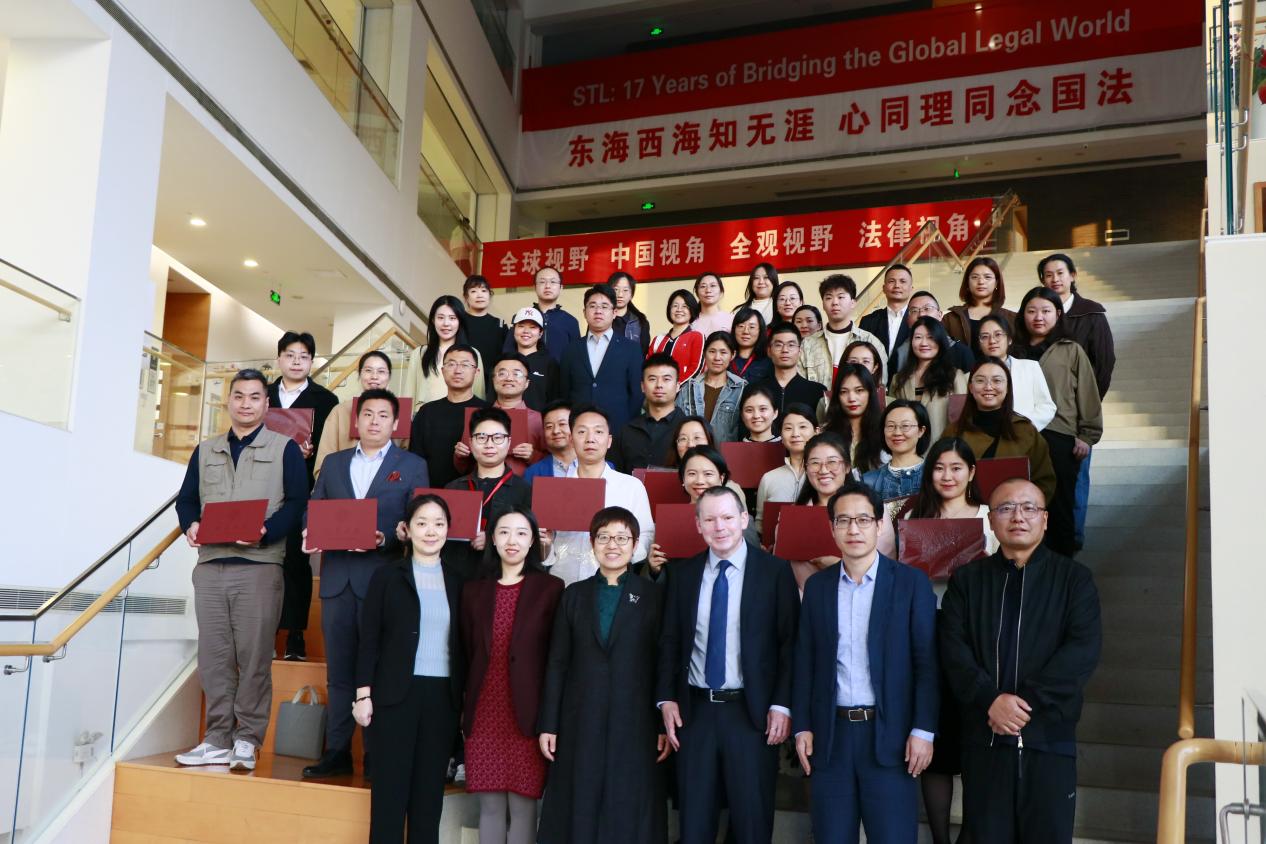
The "Sailing Out to Sea" Legal Training Program for Senior Foreign-related Legal Talent in Nanshan District (Phase 1) was successfully held from November 27 to 29, 2025, at the Peking University School of Transnational Law (PKU STL). This event was jointly organized by the Organization Department of the Nanshan District CPC Committee and the Nanshan District Bureau of Justice, and hosted by PKU STL. It was the first training initiative adopting an innovative model of joint training for government, enterprises, and lawyers. A total of 60 participants from Nanshan District (including Qianhai) government units, judicial authorities, key overseas-bound enterprises, and foreign-related legal practitioners took part in the three-day systematic and practice-oriented program.
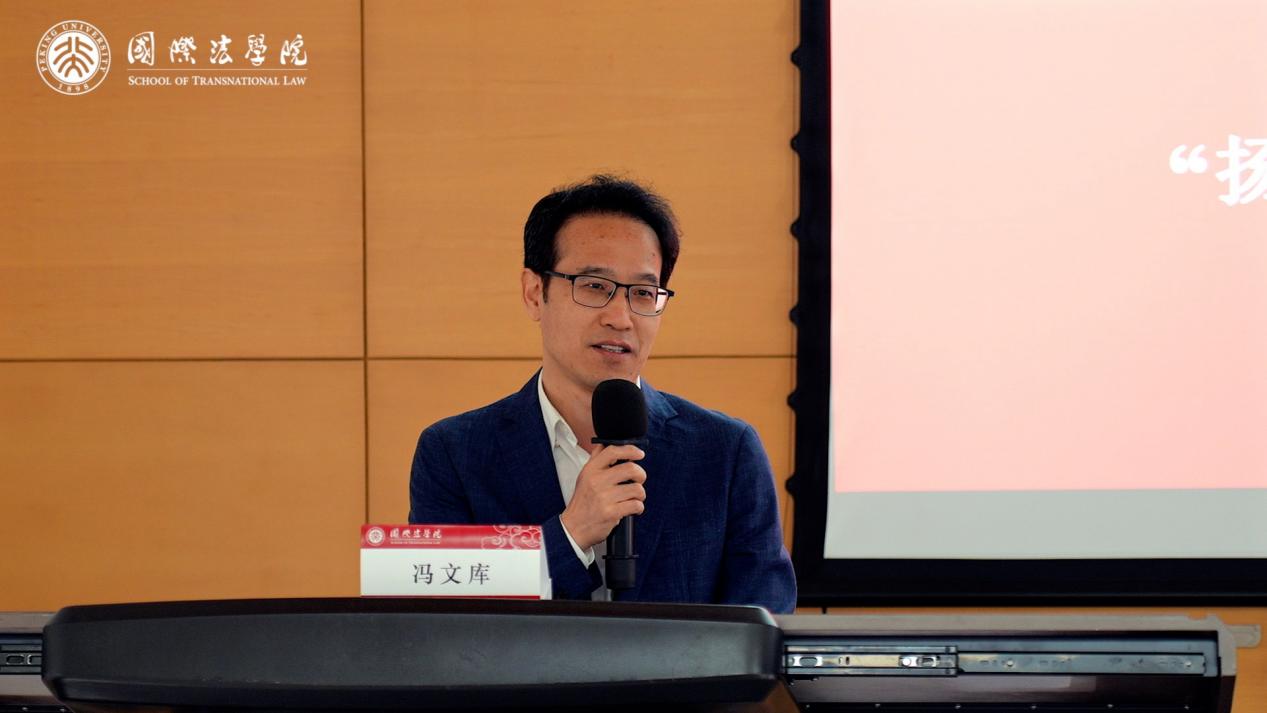
In his opening remarks, Director Feng Wenku emphasized that strengthening foreign-related rule-of-law capacity is a key measure for implementing the central leadership's strategic mandate to coordinate domestic and international imperatives, actively participate in international rule-making, and safeguard high-standard opening-up. Given Nanshan District's dynamic outward-oriented economy and the accelerating pace of enterprises “going global,” the demand for professionals who understand international rules and possess cross-border legal service capabilities has become increasingly urgent. He expressed the hope that all participants would value this training opportunity, think deeply, engage actively in discussion, and transform their learning outcomes into practical capabilities that support enterprises expanding overseas, safeguard Nanshan's development security, and enhance the region's competitiveness in rule-of-law development. He encouraged participants to contribute to building Nanshan into a leading hub for foreign-related rule-of-law advancement.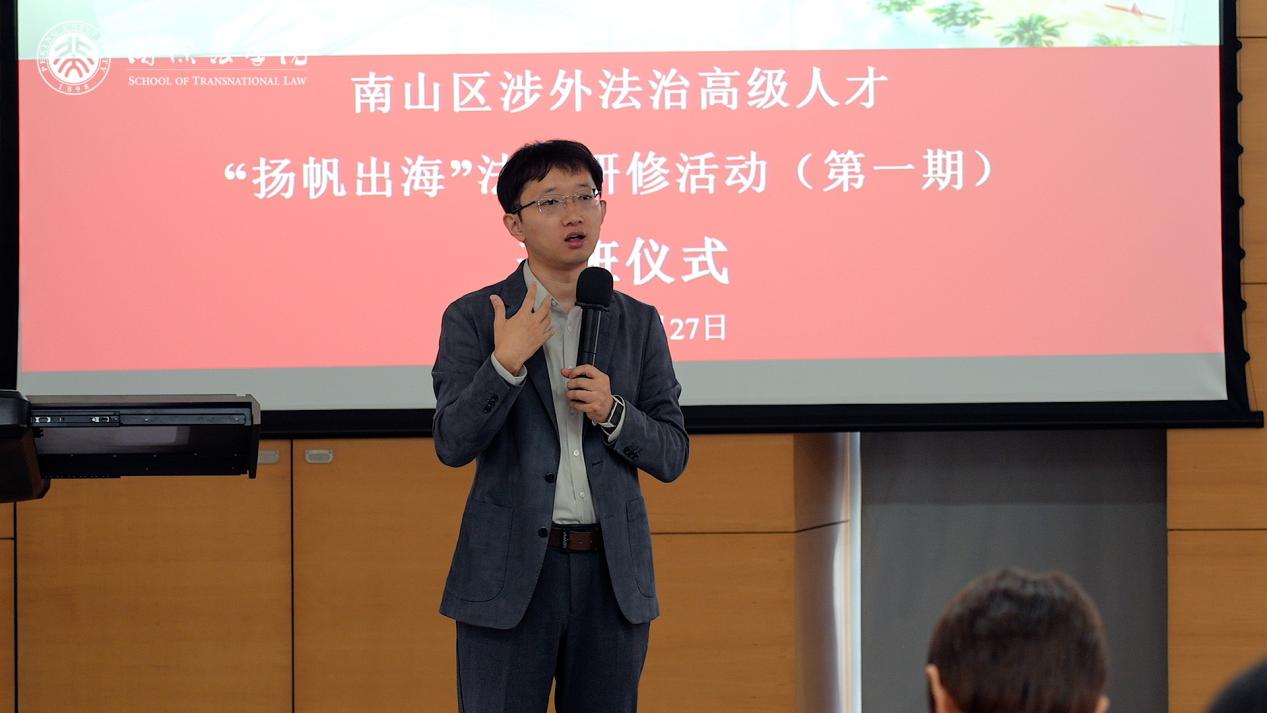 Vice Dean Mao Shaowei introduced the Peking University School of Transnational Law (PKU STL). He noted that STL is the first law school in mainland China to offer a complete U.S.-style J.D. legal education, and the first institution worldwide to integrate the American J.D. system with China's postgraduate legal education framework. The School has consistently upheld its hallmark transnational legal education model and is committed to cultivating high-end legal professionals with international vision, cross-border regulatory competence, and practical problem-solving capabilities to support China's rule-of-law modernization and the development of the Guangdong–Hong Kong–Macao Greater Bay Area. He stressed that the curriculum of this training program is closely tailored to the needs of Nanshan District, and he encouraged participants to use this opportunity to broaden their professional thinking, strengthen their cross-border capabilities, and better navigate the complex challenges of international commercial negotiation, cross-border dispute resolution, and global business operations.
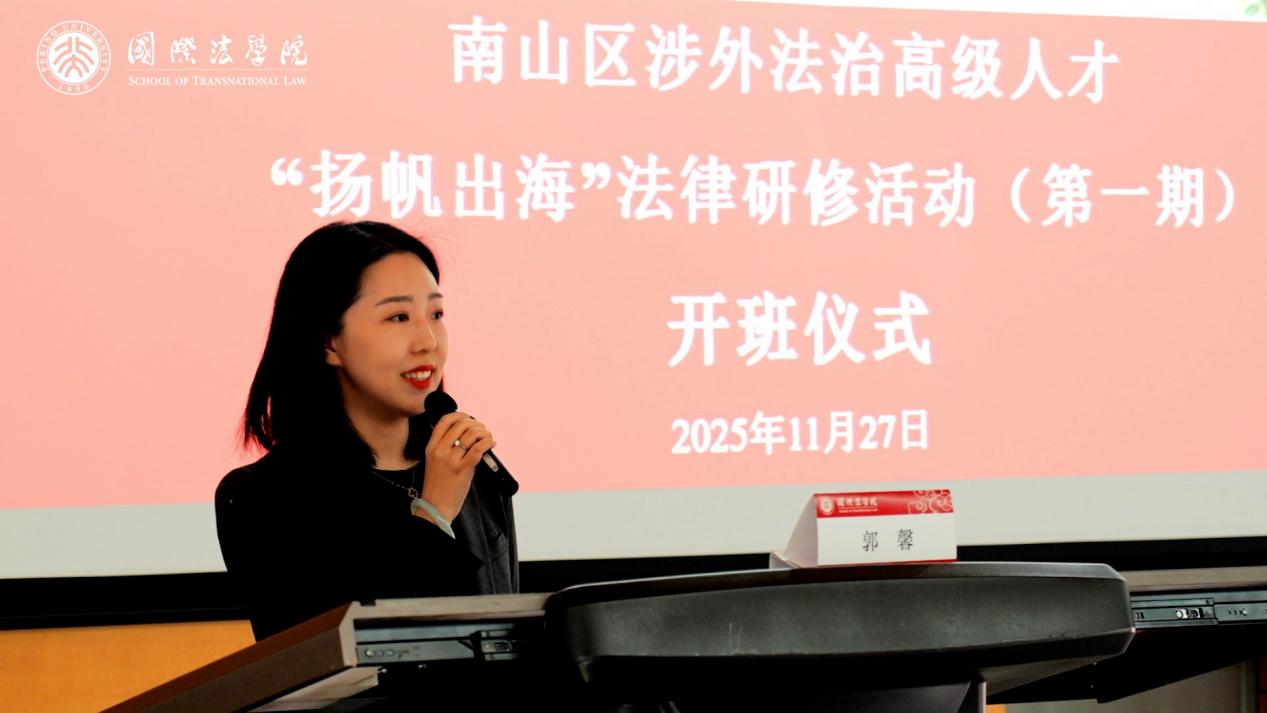 As the program director and class advisor, Guo Xin, Director of Experiential Legal Education at PKU STL, presented the overall course design. She noted that the program was developed in response to the practical talent-development needs articulated by the Organization Department of the Nanshan District CPC Committee and the Nanshan District Bureau of Justice. Centering on key areas such as transnational legal practice, data compliance, intellectual property strategy, cross-cultural communication, overseas investment, and outbound business operations, the program adopts a systematic and modular curriculum structure. The training integrates three pedagogical dimensions—structured lectures, case-driven learning, and interactive discussion—emphasizing methodological training and the development of practical capabilities. Its objective is to ensure that participants “learn effectively, apply proficiently, and retain sustainably,” thereby mastering transferable and applicable cross-border legal skills.
The three-day curriculum focused closely on the most challenging issues of corporate internationalization. On the first day, courses covered “Transnational Legal Research and Analysis” and “Data and AI Governance in Globalized Enterprises.”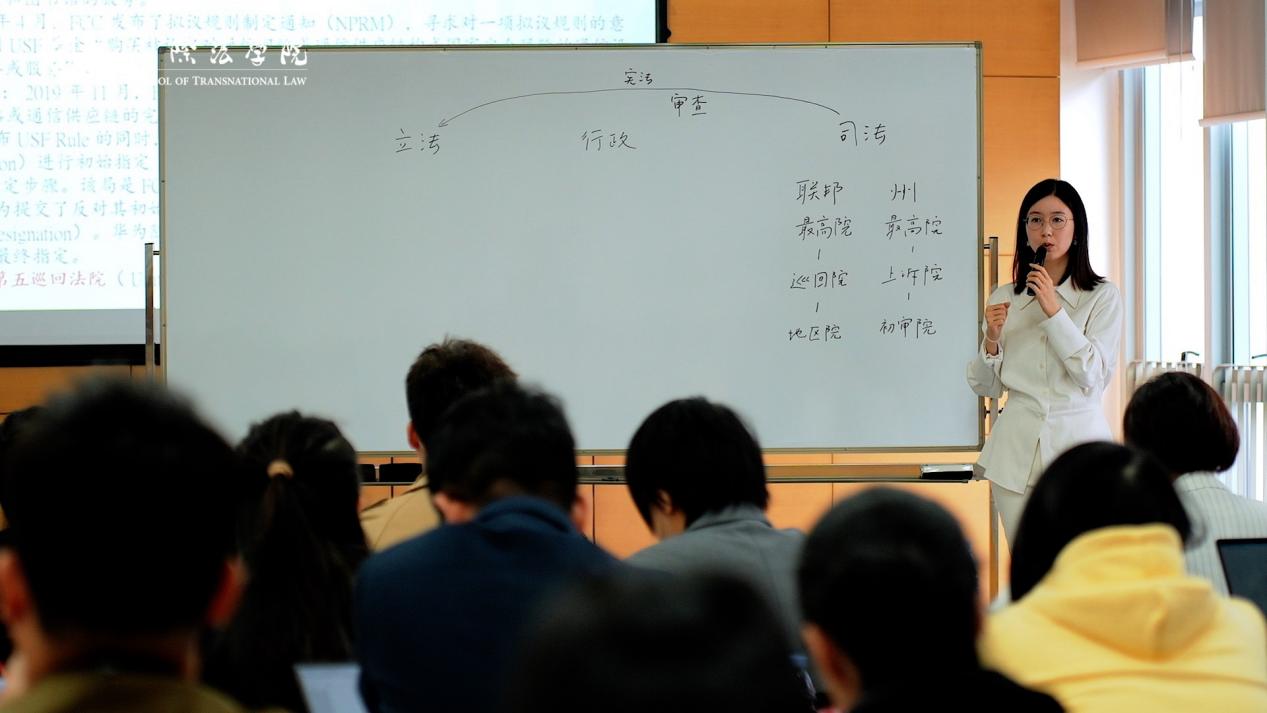
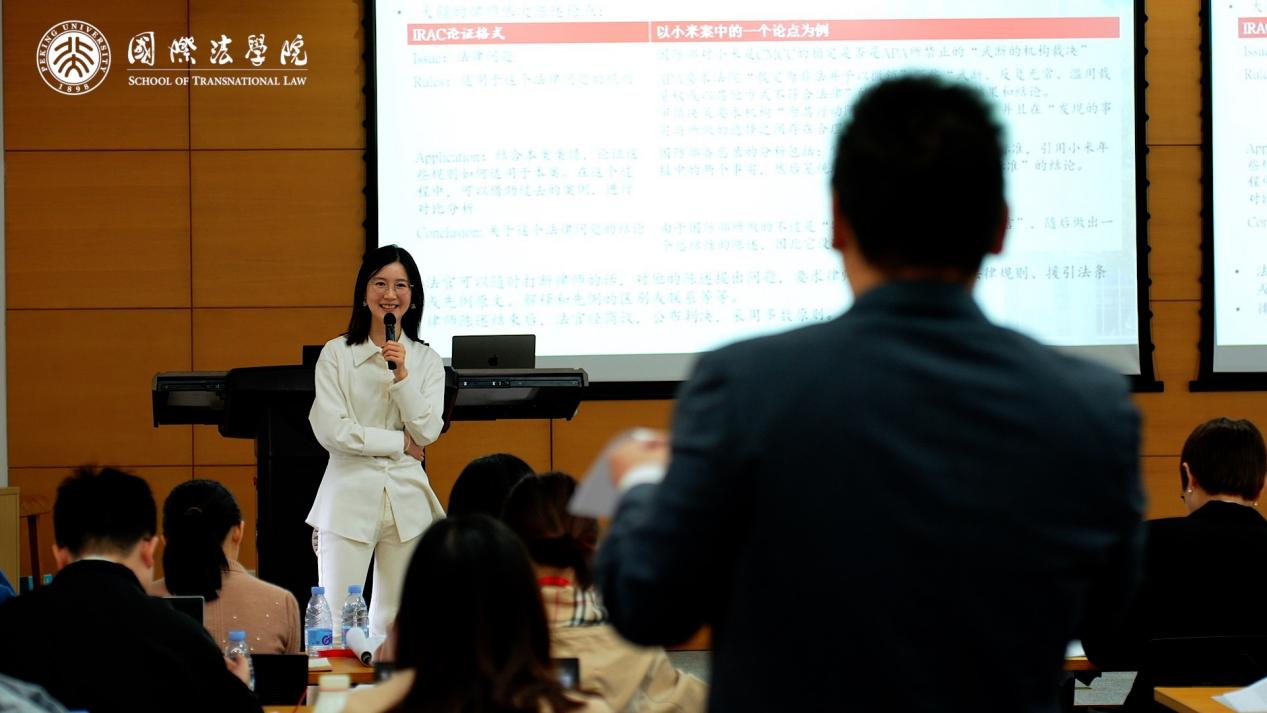 Wang Ding, Senior C.V. Starr Lecturer of Law at PKU STL, used high-profile cases such as the TikTok ban case and the Xiaomi litigation to teach legal reasoning, research, and writing under the Anglo-American legal system. Participants were guided to build cross-jurisdictional analytical capabilities through real-world casework.
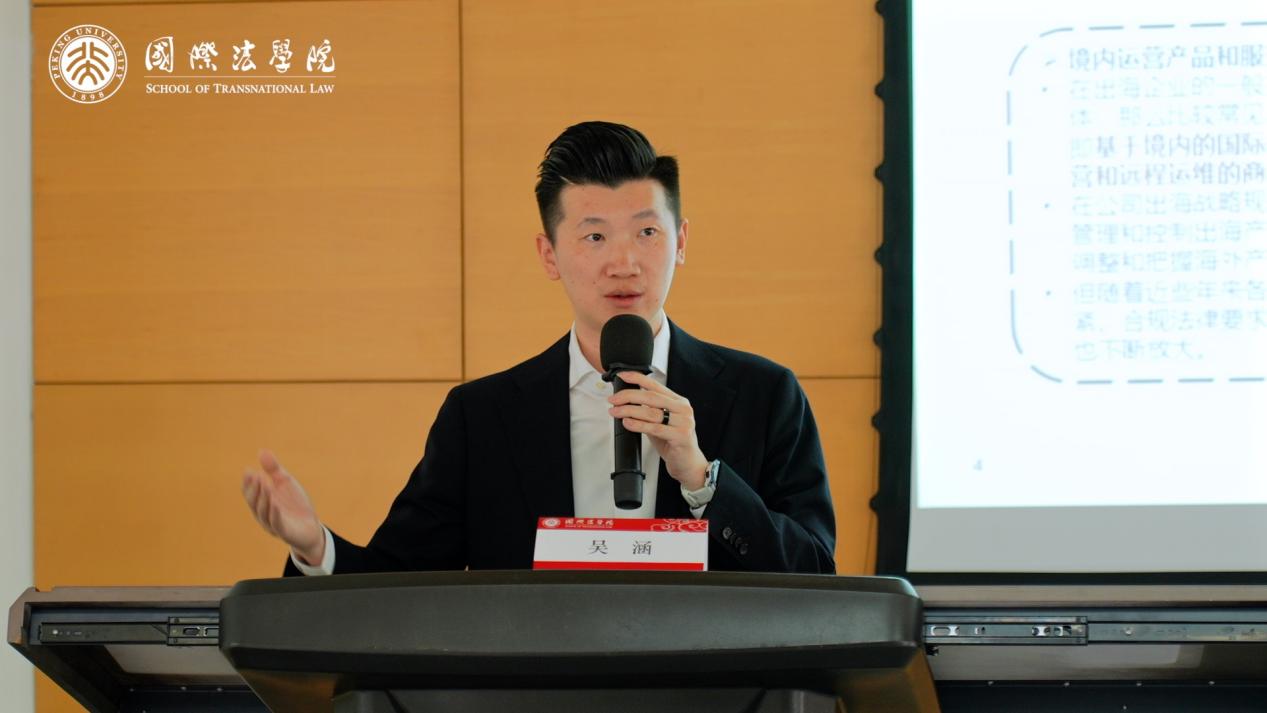
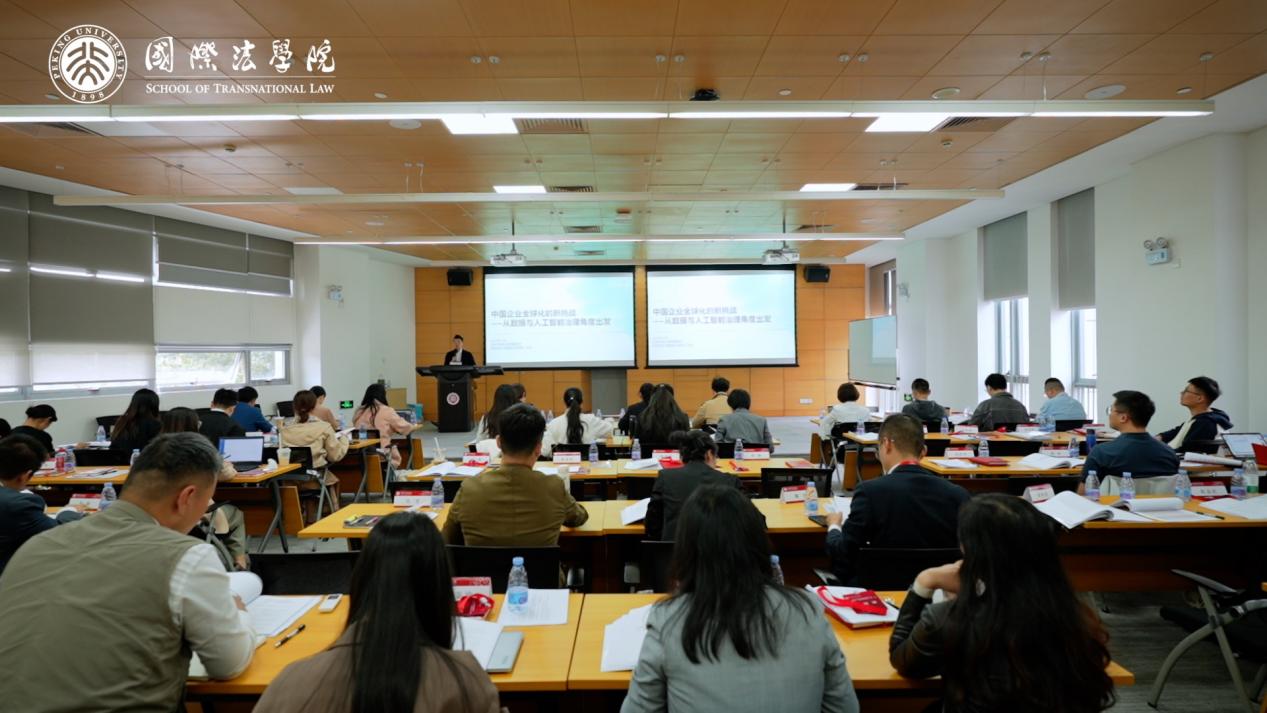
Wu Han, Partner at King & Wood Mallesons, delivered an in-depth, discussion-based session from the perspective of data compliance and AI governance. He analyzed major extraterritorial regulatory frameworks including the EU GDPR and U.S. EO 14117, and led substantive discussions on topics such as personal-data identification and cross-border data transfer.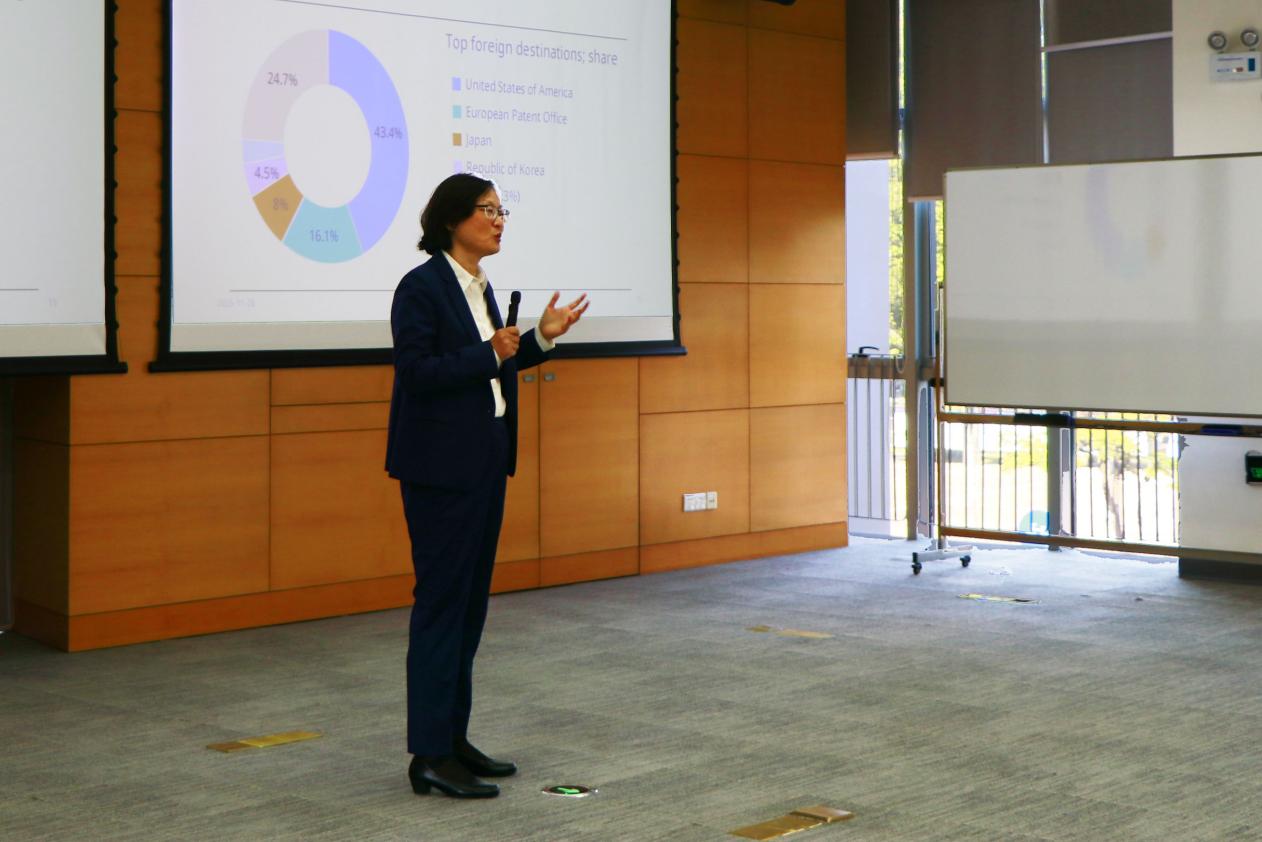
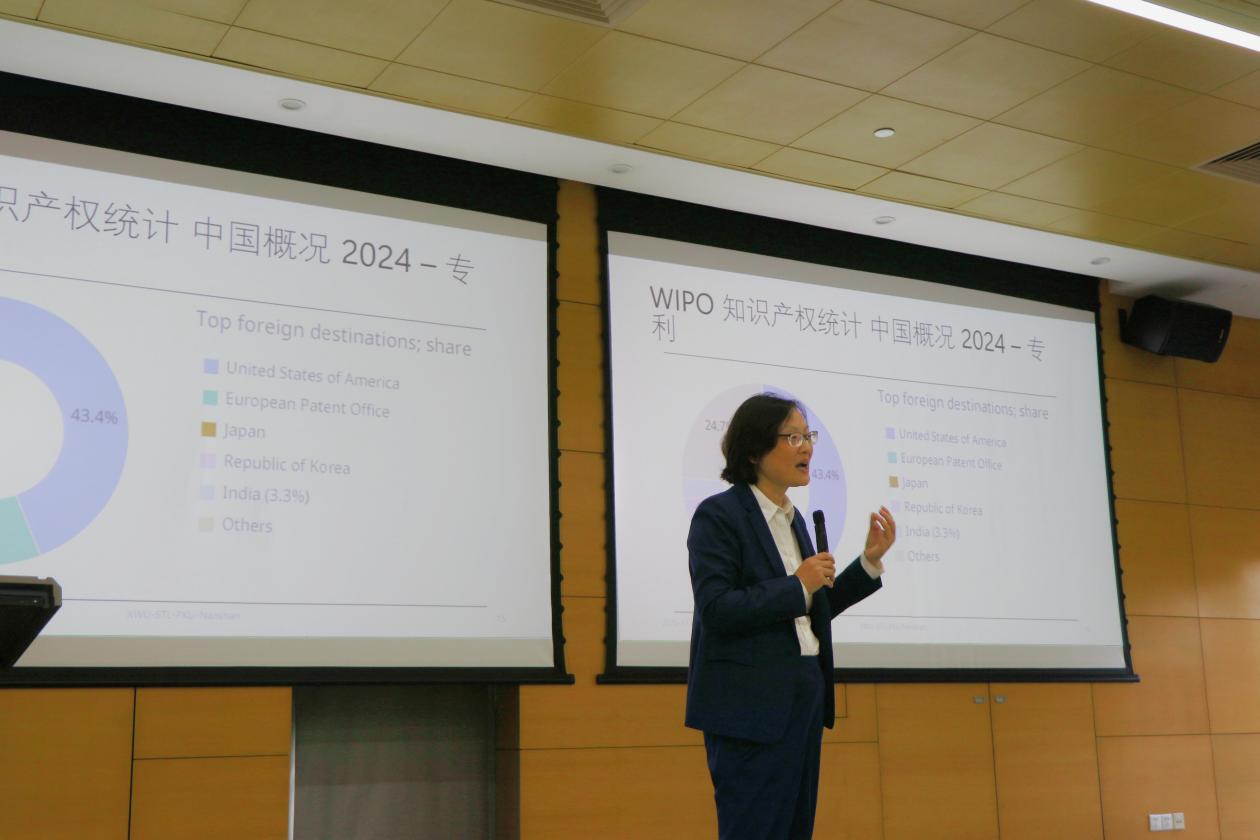
On the second day, lectures addressed “Intellectual Property Strategy for Global Expansion” and “Cross-cultural Communication and Legal Strategy.” Wu Xiaoping, Professor from Practice at PKU STL, explained IP layout strategies in major U.S. and European markets and used high-controversy cases such as generic-drug patents to examine key considerations in global deployment.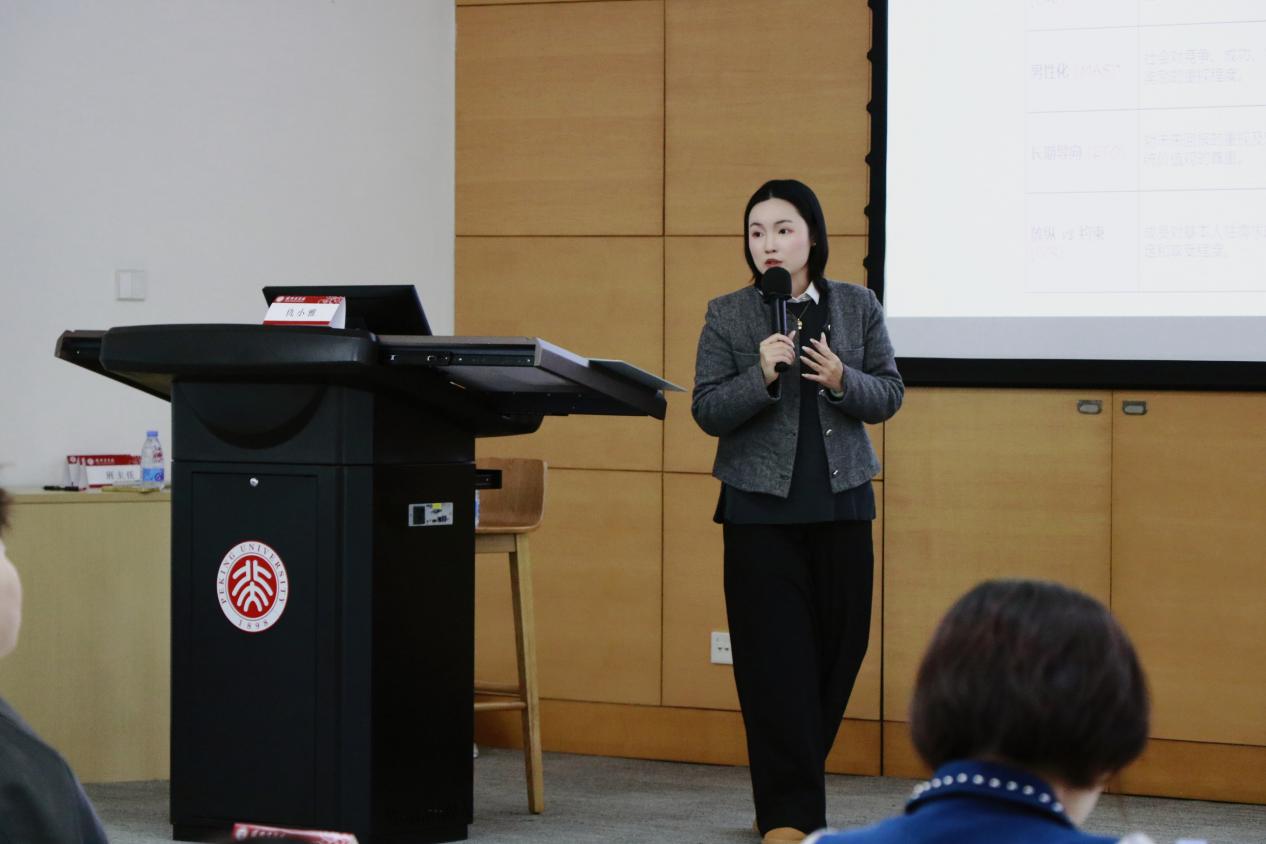
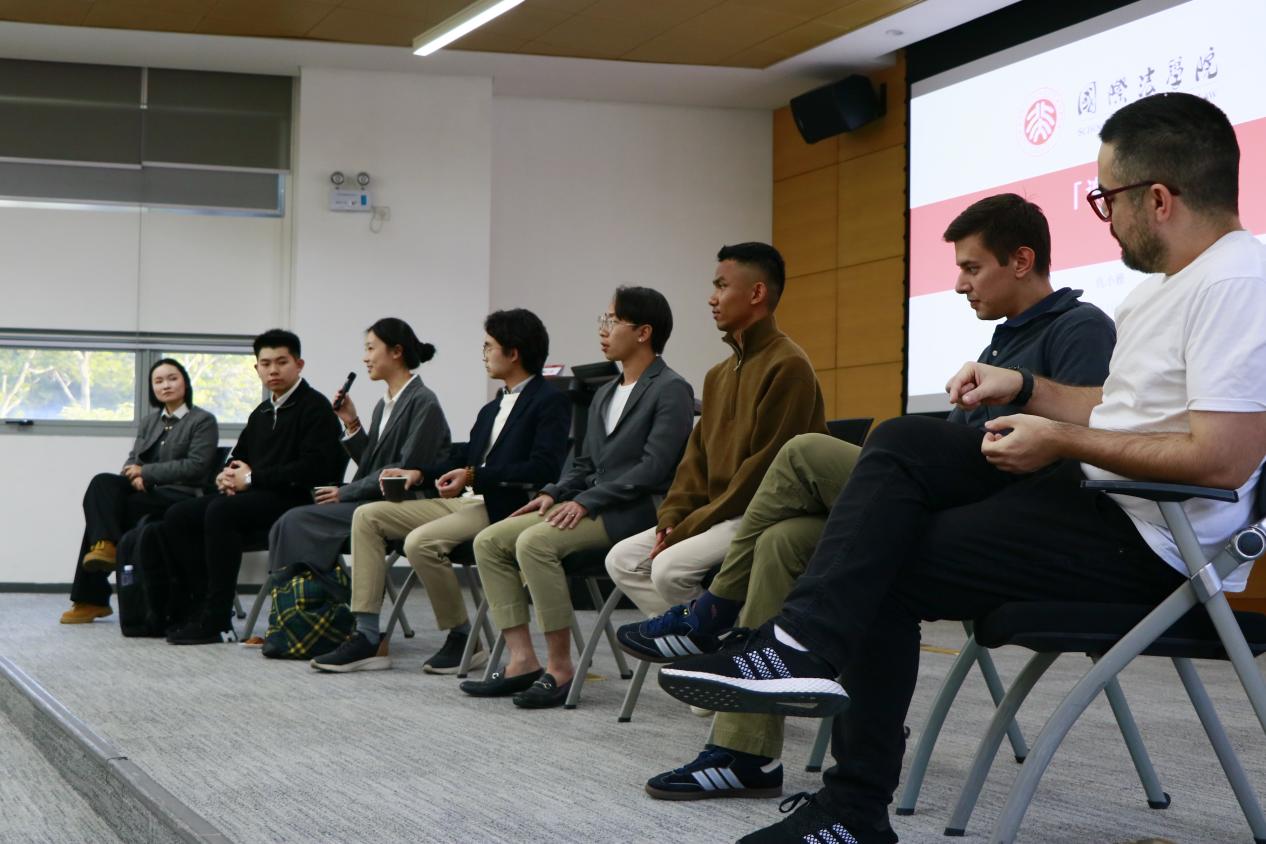
Qiu Xiaoya, Director of Graduate and International Programs and Senior C.V. Starr Lecturer of Law at PKU STL, focused on “Legal Compliance and Cross-cultural Management for Chinese Enterprises Going Abroad.” Through case studies, intercultural discussions, and live interaction with PKU STL's international LLM students, she guided participants in understanding how cultural differences influence compliance risks and provided practical pathways for cross-cultural communication and dispute management. The interactive atmosphere continued even after class.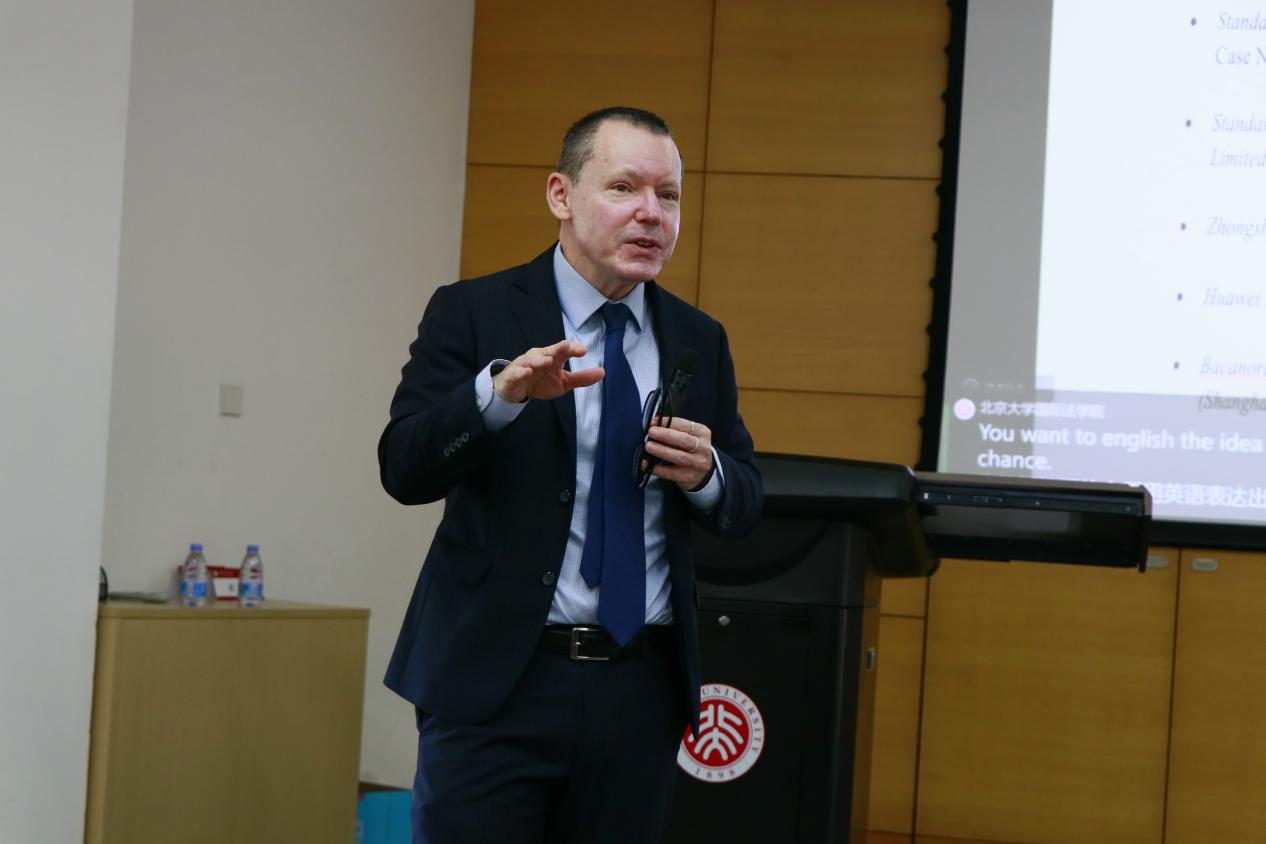
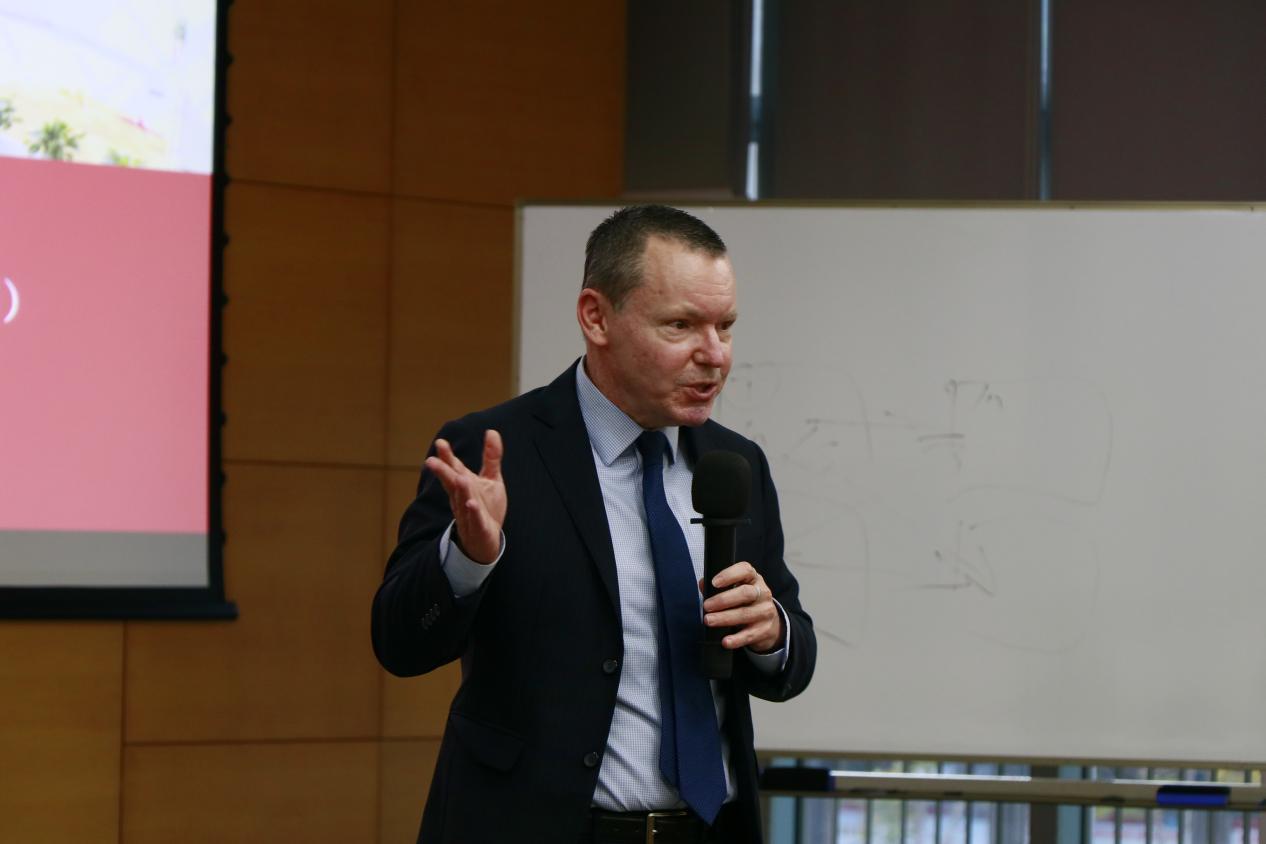
On the third day, Mark Feldman, Dean of PKU STL, delivered a comprehensive lecture examining five representative investment arbitration cases, analyzing core issues such as transparency, parallel proceedings, and the interaction between treaty and contract obligations. Drawing on extensive arbitration experience, he also taught key principles of drafting cross-border contract clauses and practical arbitration strategies. Participants engaged in substantial discussions on topics including arbitral rules and seat selection.
The afternoon “Practical Forum on Enterprises Going Global” served as the program's climax. Four senior experts from multinational enterprises, law firms, and arbitration institutions shared firsthand experience on sanctions response, cross-border investment and financing, compliance challenges in Latin America, and dispute resolution.
Peng Qian, Legal Head of a Fortune Global 500 telecommunications company, analyzed risk-mitigation approaches under U.S. sanctions. Cai Chenwei, Senior Legal Counsel at Tencent's Investment Legal Affairs Center, discussed regulatory and approval considerations in global investment transactions. Liang Xinyue, Partner at Zhong Lun Wende Hu Baiquan (Qianhai) Law Firm, analyzed opportunities and risks in Latin American investment, labor compliance, and trade disputes. Chi Wenhui, Deputy Director of International Cooperation and Development at the Shenzhen Court of International Arbitration, discussed dispute-resolution strategies for enterprises operating internationally. Participants described the session as highly informative, practical, and closely aligned with real-world needs.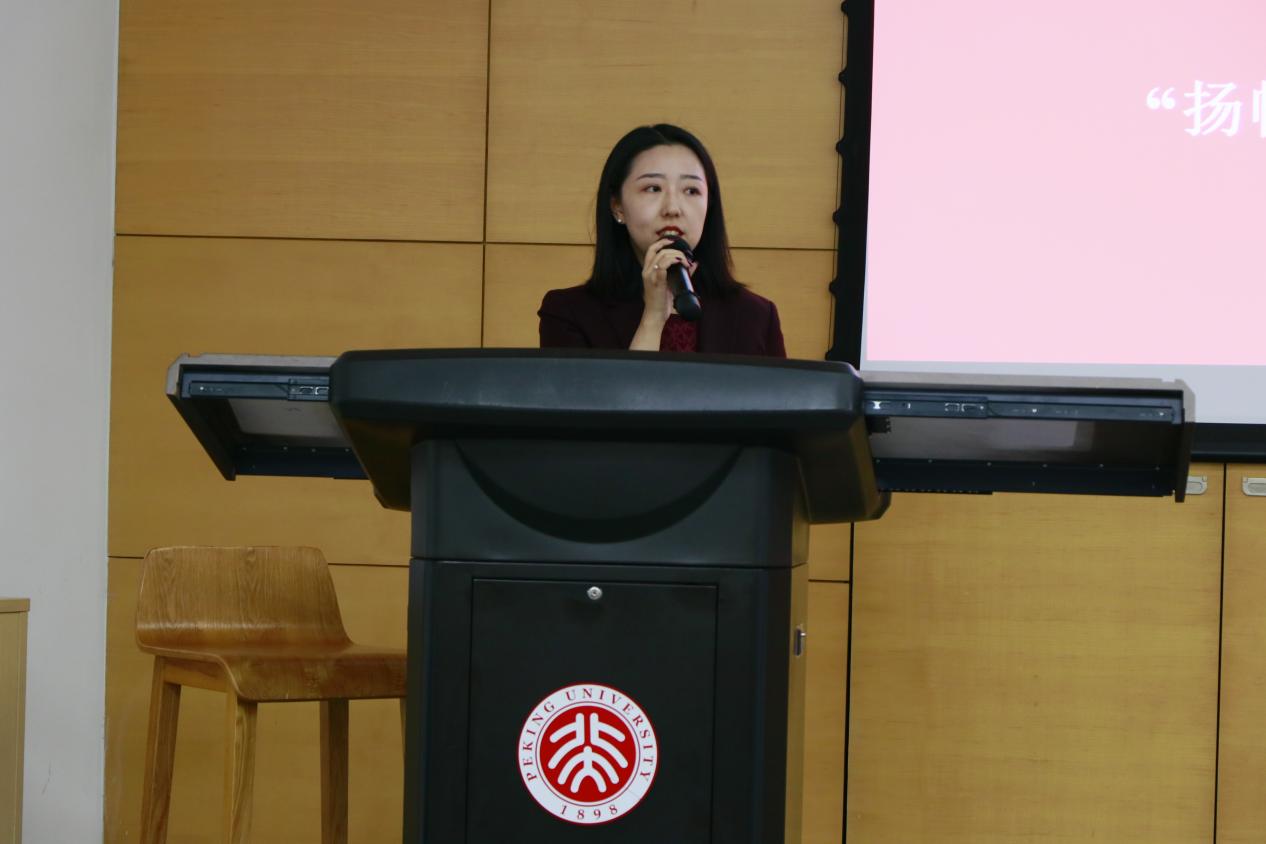

The closing ceremony was held on the afternoon of November 29, hosted by Program Director Guo Xin. Dean Mark Feldman congratulated all participants and encouraged them to apply their newly acquired knowledge in practice, continuously strengthening their ability to address foreign-related legal challenges in a dynamic global environment.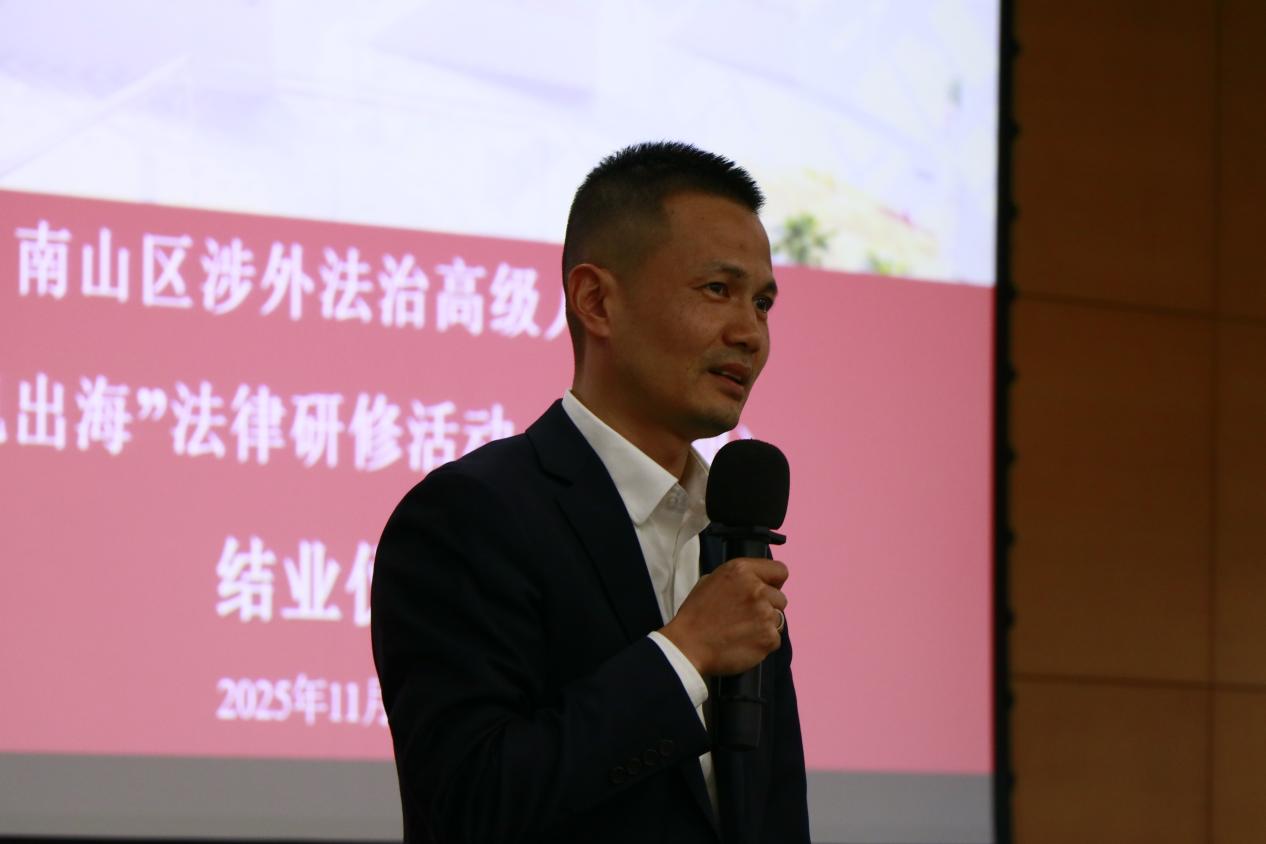
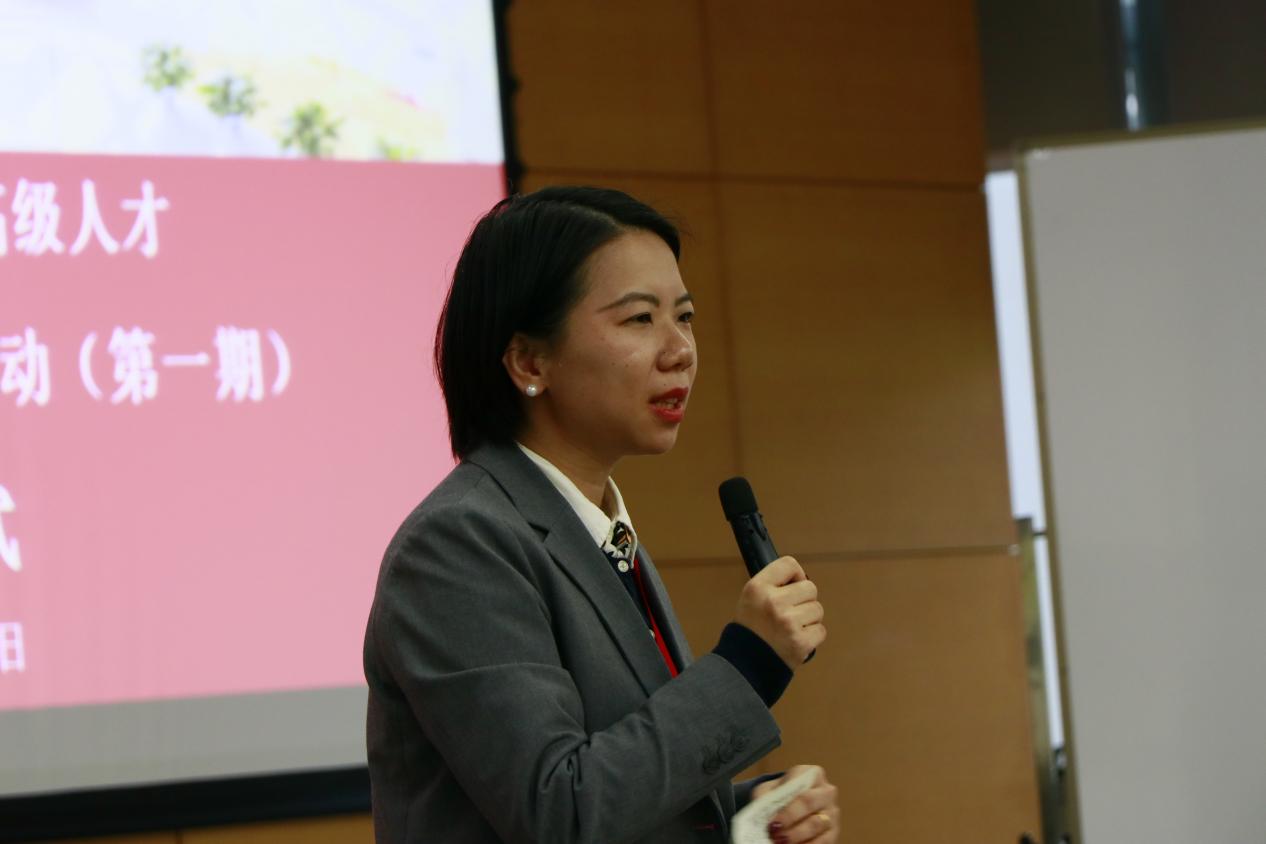
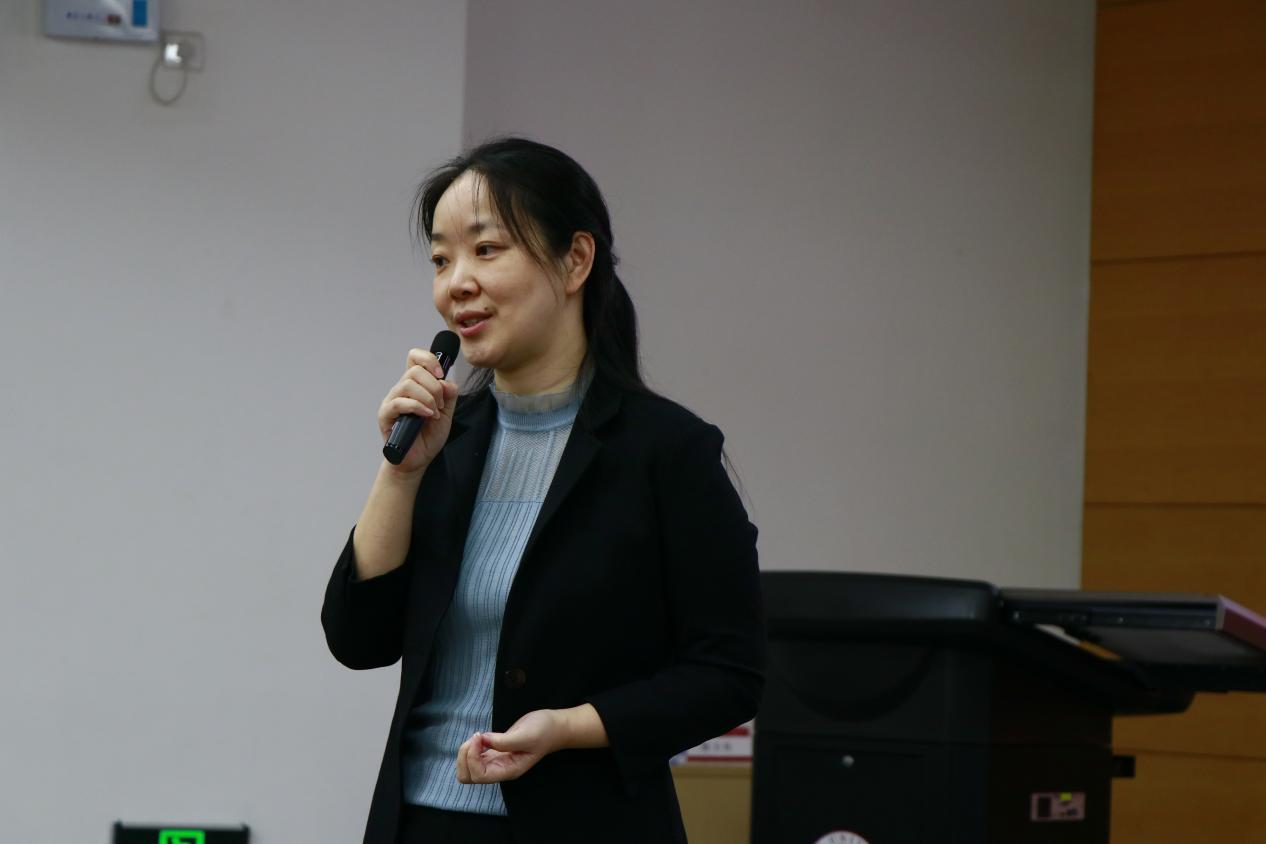
Participant representatives spoke highly of the program. Wei Guo, General Manager of Shenzhen Yuanyi Industrial Services Co., Ltd., stated that the systematic and practice-oriented courses substantially enhanced foreign-related legal thinking and professional capability. Attorney Cheng Tang Jingzhi, Partner at Weiheng (Shenzhen) Law Firm, emphasized that the curriculum directly addressed legal challenges faced by enterprises going global and offered meaningful guidance for lawyers handling cross-border matters. Chen Xiaoxia, Director of the Qianhai Customs Office, highlighted that the training aligned closely with frontline regulatory needs and provided new methods and insights for supporting enterprise internationalization.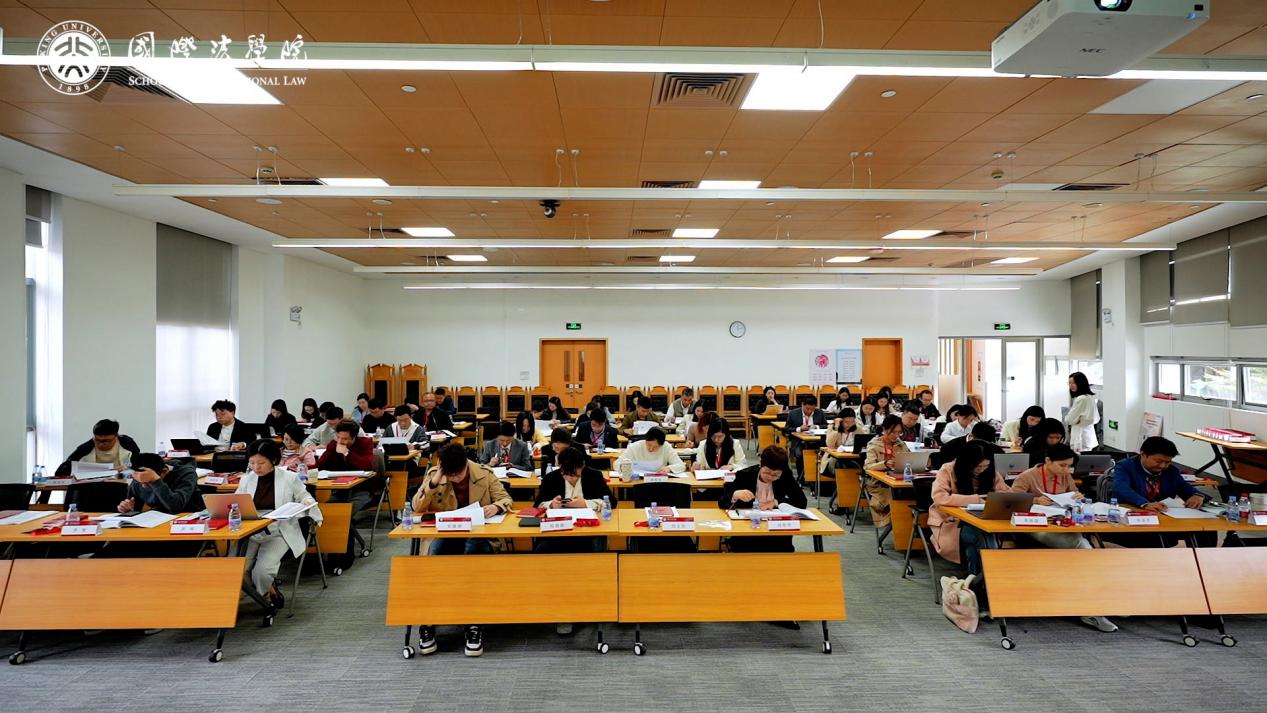
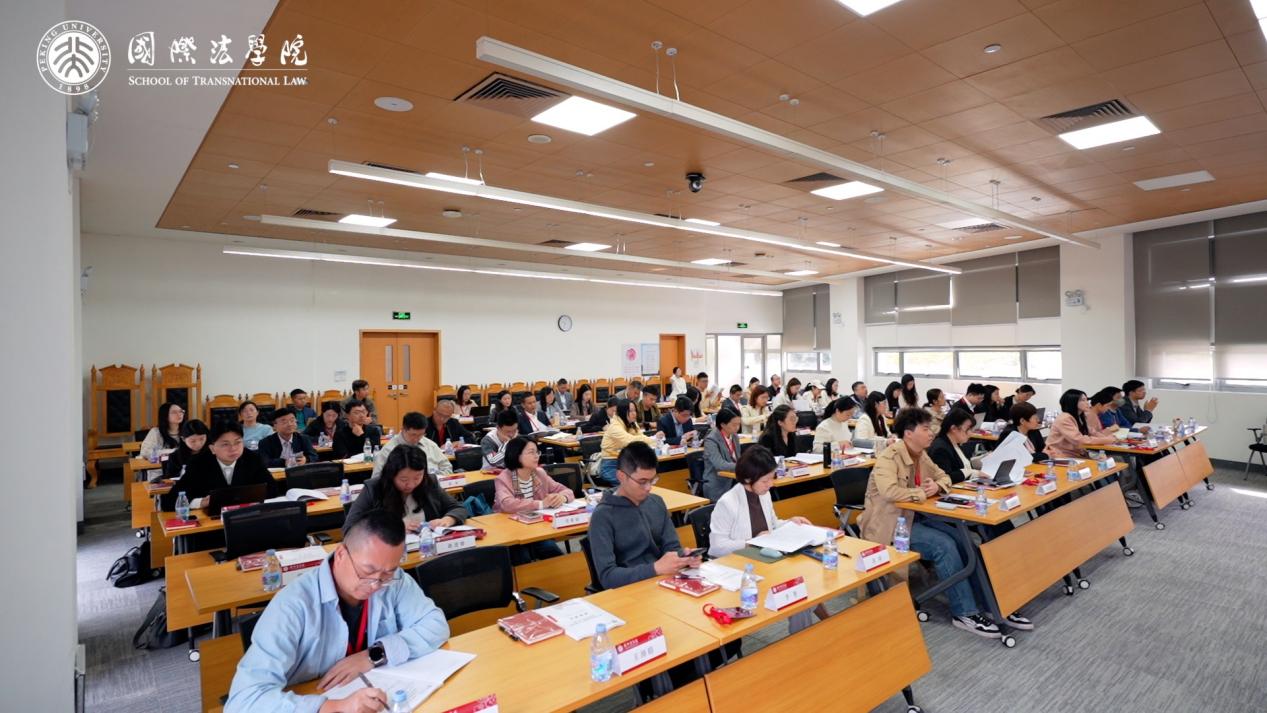
This "Sailing Out to Sea" Legal Training Program is a key initiative in advancing foreign-related legal development in Nanshan District and supporting enterprise globalization. Through collaborative training involving government, enterprises, and the legal profession, the program effectively integrates regional resources and addresses the real needs of enterprises in transnational operations, compliance systems, and cross-border dispute resolution. It has cultivated a cohort of high-quality, multidisciplinary foreign-related legal talent for the Guangdong-Hong Kong-Macao Greater Bay Area. Going forward, PKU STL will continue leveraging its strengths in transnational legal education and international faculty to develop high-quality, distinctive training models, contributing sustained momentum to talent development in the Greater Bay Area and national foreign-related legal capacity building.