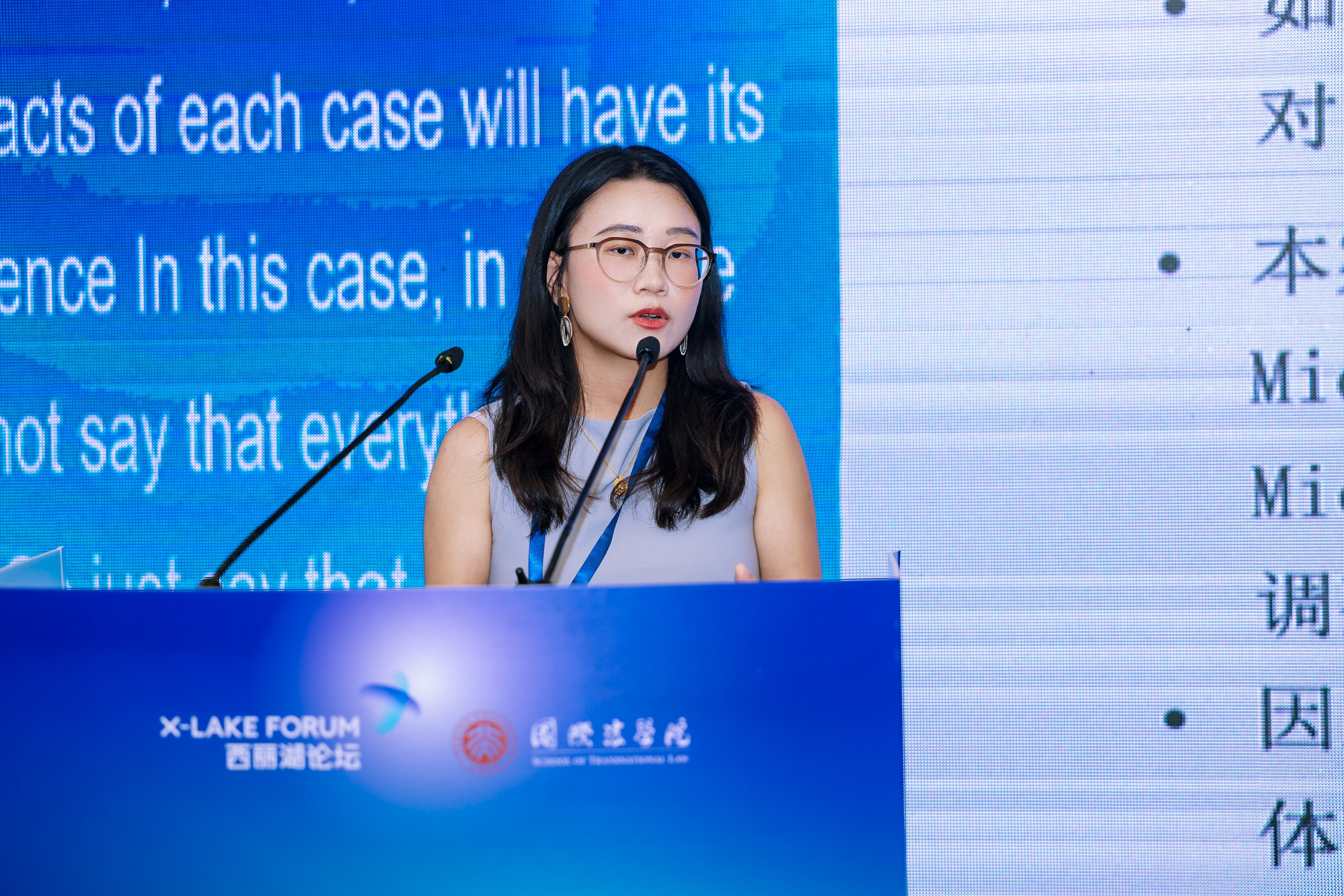
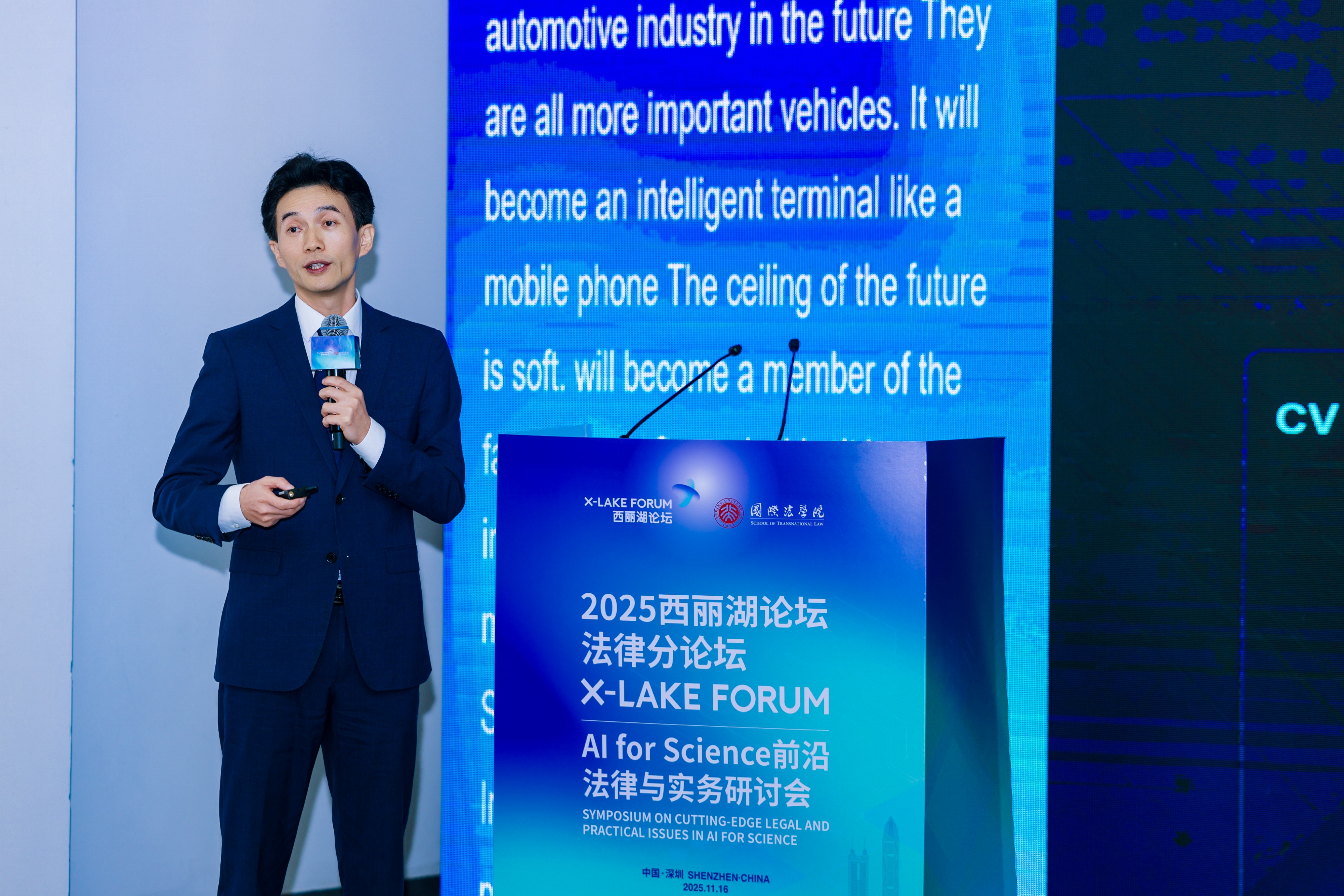
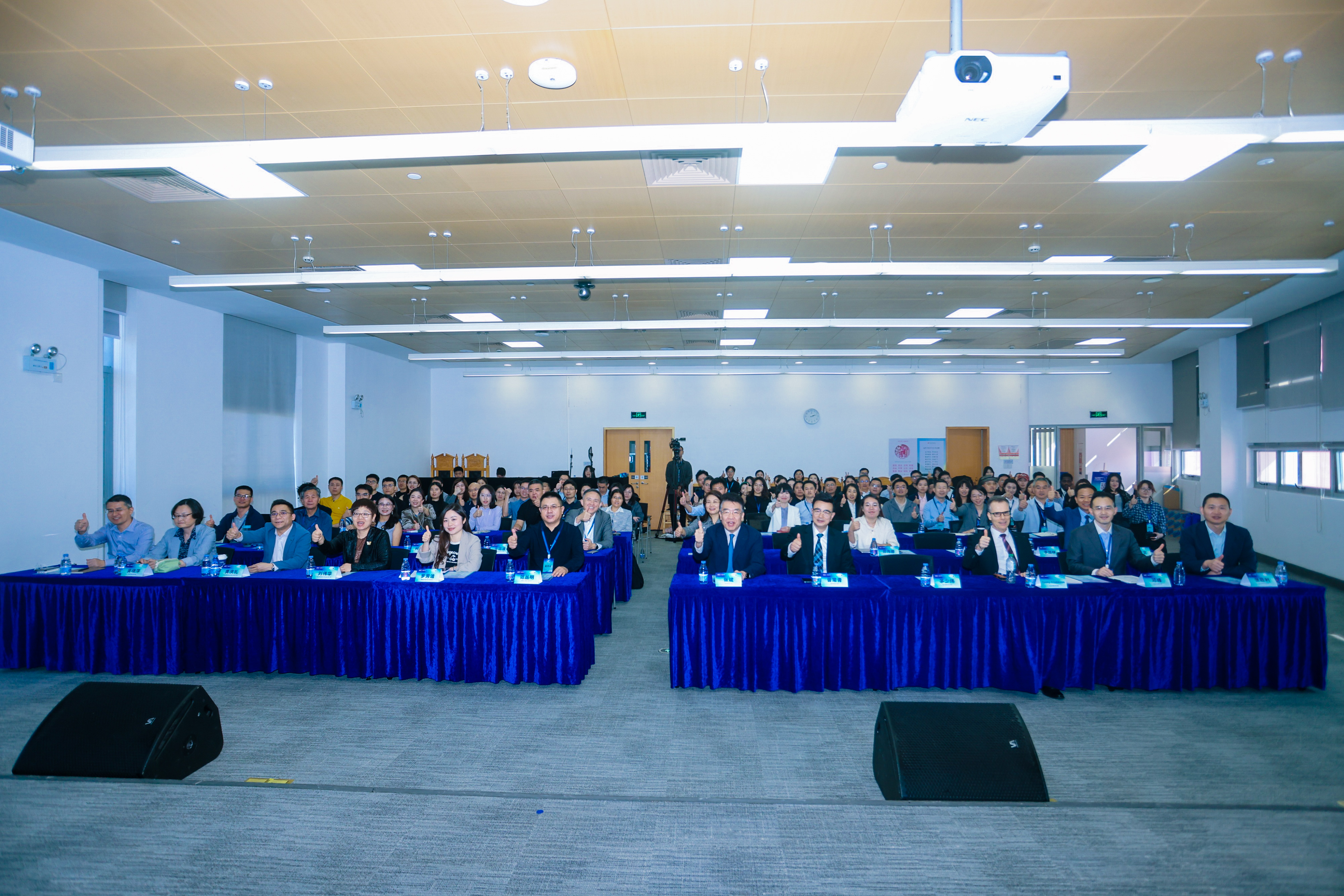
Peking University School of Transnational Law (STL), in collaboration with the Nanshan District Lawyer Work Committee of the Shenzhen Lawyers Association, successfully held the "X-Lake Forum · Legal Sub-Forum" on November 16, 2025. Centered on the theme "Symposium on Cutting-edge Legal and Practical Issues in AI for Science", this sub-forum focused on the new opportunities and challenges brought by AI technological development to the legal industry. Xia Lei, Member of the Standing Committee of the Nanshan District Committee and Deputy District Mayor of Nanshan District, attended the forum.
The forum brought together experts, scholars, and practitioners from universities, research institutions, law firms, and technology enterprises, engaging in in-depth exchanges on topics including AI regulation, intellectual property protection, legal safeguards for technological innovation, and talent cultivation. These discussions not only fostered dialogue between theory and practice but also promoted cross-sector collaboration between academia and industry, providing new perspectives for constructing a modern legal system that aligns with technological innovation.
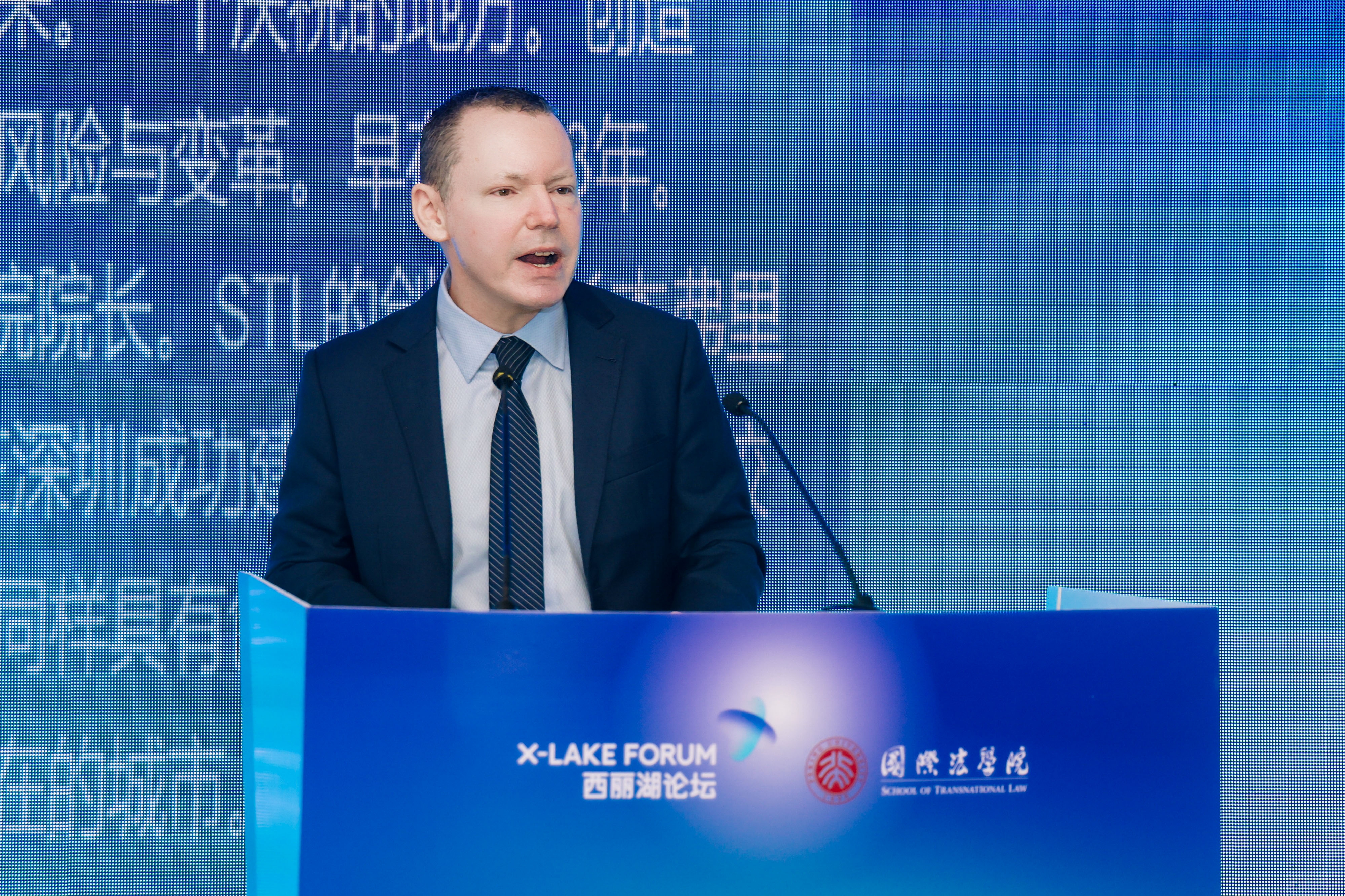
During the opening ceremony, Mark Feldman, Executive Dean of STL, reviewed the school's development journey and announced that the China National Intellectual Property Administration (CNIPA) and Peking University had recently signed a cooperation agreement. Relying on STL, they will jointly establish the International Intellectual Property School. This initiative aims to integrate Peking University's strengths in legal disciplines with Shenzhen's resources in innovation practice, creating a high-end platform for intellectual property talent cultivation that combines education, research, think-tank functions, and international cooperation.
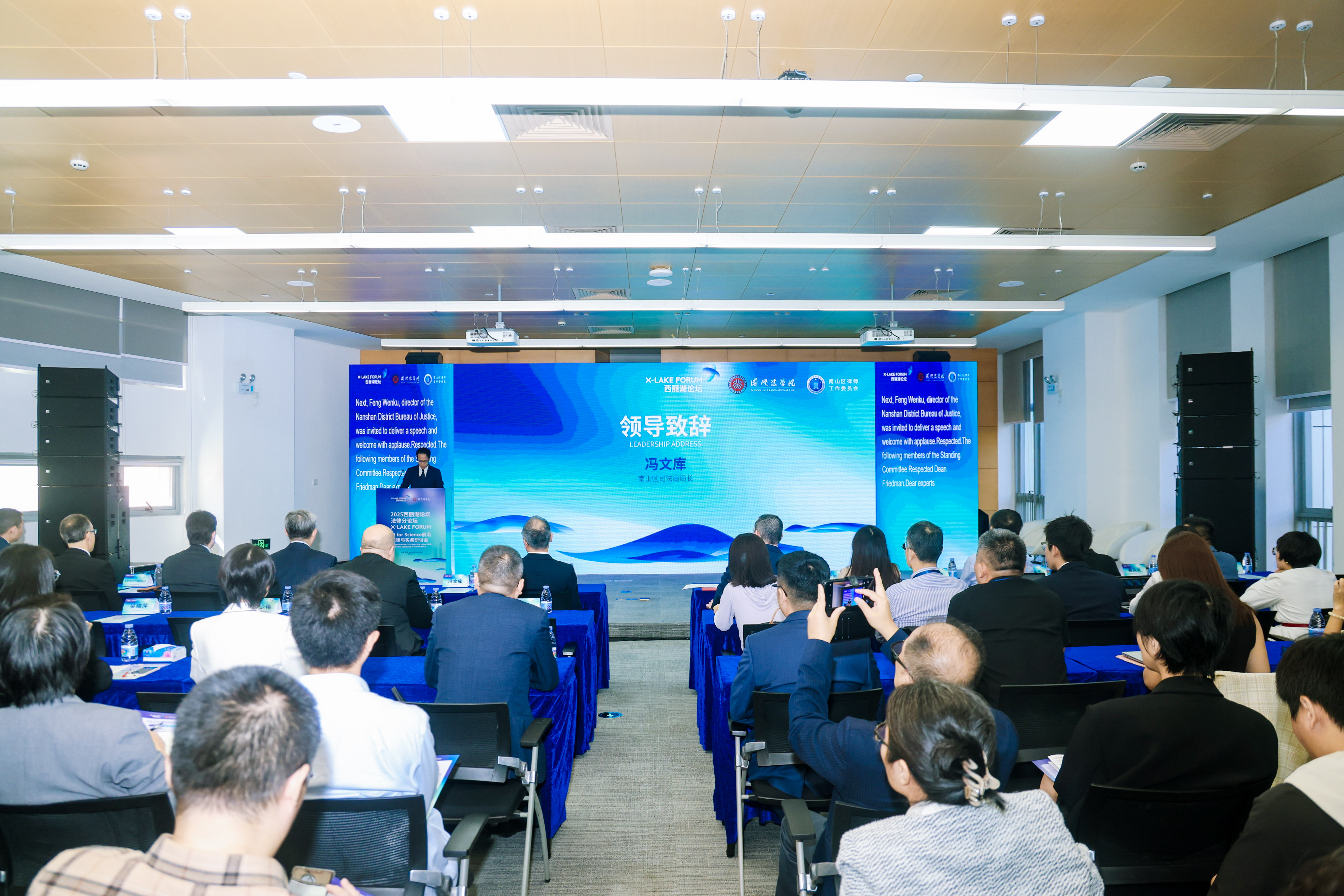
Feng Wenku, Director of the Nanshan District Justice Bureau, stated in his address that the establishment of the Legal Sub-Forum of the X-Lake Forum aligns with the era's demands for technological self-reliance and the development of new quality productive forces. This forum will promote the deeper integration of the rule of law into the technological innovation chain, providing institutional safeguards for high-level innovation and high-quality development in the Greater Bay Area.
Morning Keynote Speeches: Global Perspectives on AI, Intellectual Property, and Regulatory Pathways
Stephen Minas, Professor at STL, delivered a speech titled "AI, Green Technology Innovation and Intellectual Property Rights". He explored the interaction between green technology innovation and AI and the intellectual property system, analyzed the application value of AI in green technology innovation, and directly addressed the risks and challenges in AI implementation, offering direction for promoting climate response in developing countries and aiding the global green transition.
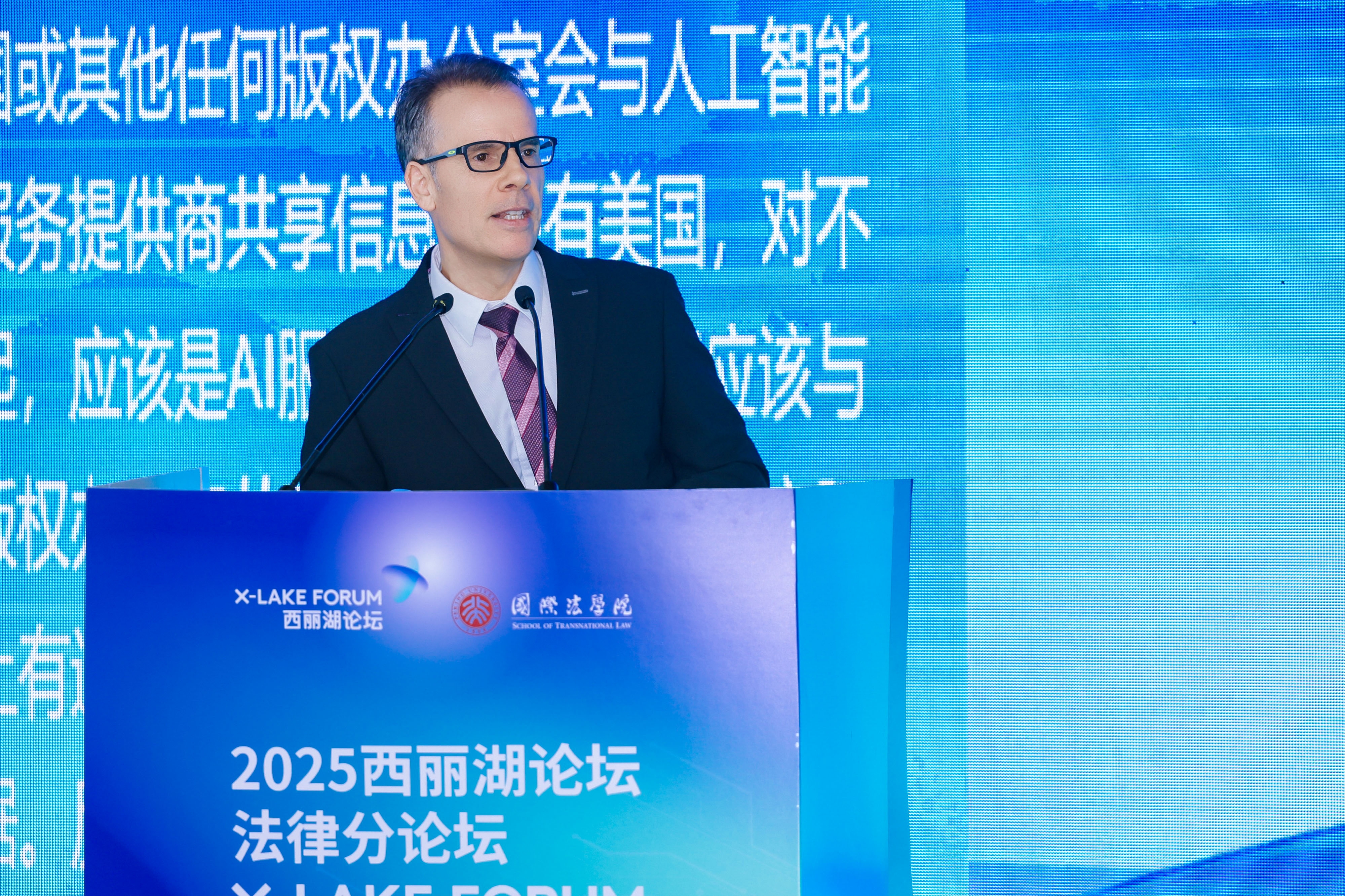
Danny Friedmann, Associate Professor at STL, analyzed "AI Copyright Challenges". From the perspective of copyright law, he discussed issues of copyright ownership and protection for AI-generated content, pointing out challenges faced by generative AI regarding the legality of training data, determination of originality, and copyright attribution. He emphasized the need for the copyright system to find a new balance between incentivizing innovation and protecting creators in the AI context.
In his keynote speech on "Challenges and Opportunities for Artificial Intelligence under Patent Law", Liu Yinliang, Professor at Peking University Law School, elaborated on the new questions AI poses to the traditional patent system and potential institutional responses. He noted that AI is altering rules such as patent examination and inventive step determination, presenting unprecedented challenges and opportunities to the traditional patent system. He stressed that the future patent system needs adjustments against the backdrop of rapid technological evolution to better serve innovation and industrial development.
Wu Han, Partner at King & Wood Mallesons, delivered a speech on "China's AI Regulatory System and Global Development Trends". Starting from the Personal Information Protection Law and the "Three Algorithm Regulations", he systematically reviewed China's practical path in improving the AI governance framework and provided an in-depth analysis of compliance requirements for technologies like recommendation algorithms, deep synthesis, and generative AI. Simultaneously, he conducted a comparative analysis of the latest legislative developments in the EU, various US states, and South Korea. He pointed out that against the backdrop of a global race to layout AI legislation, finding a new balance between safety/controllability and encouraging innovation will become a key issue for future regulatory cooperation.
Afternoon Keynote Speeches: Compliance Practices and Exploration of Technology Business Models
The afternoon session was chaired by Kevin Zhong, Partner at Merits & Tree Law Offices. Zhang Bin, President of the Shenzhen Lawyers Association, delivered opening remarks, reviewing the important positioning of the X-Lake Forum and introducing the significant meaning of the International Intellectual Property School being established in Shenzhen. He noted that the AI era brings new opportunities for legal services, and this sub-forum aims to promote the deep integration of legal theory, industry demands, and legal practice.

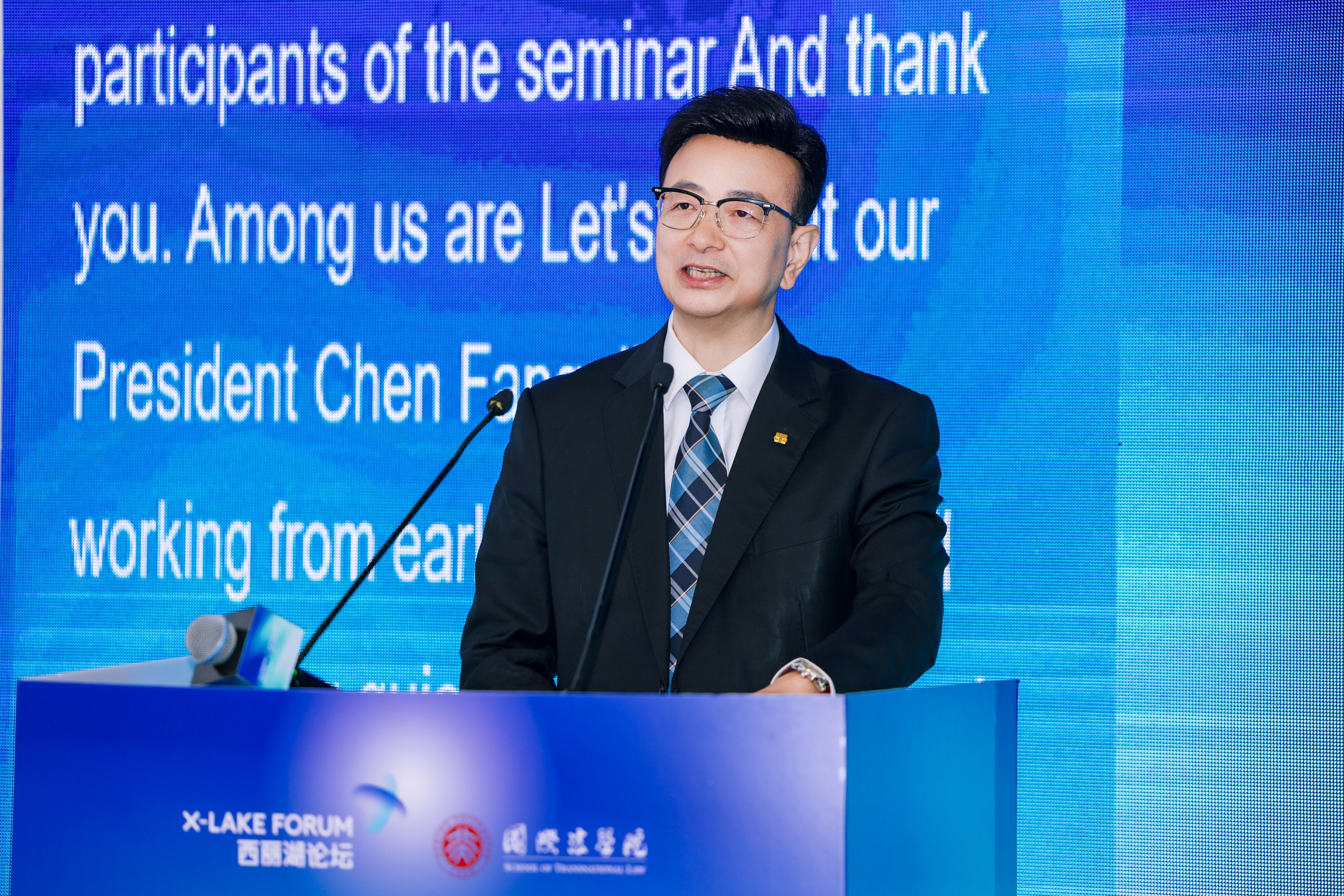
Fan Congming, President of the Shenzhen Artificial Intelligence Industry Association, emphasized in his address Shenzhen's leading advantages in AI application, regulatory pilots, and industrial clusters. He expressed hope that through compliance, labeling systems, cross-border governance, and institutional innovation, China's AI can move towards the global stage.
Deng Feng, Executive Director and Vice President of UBTECH, delivered a speech on "Compliance Considerations for Embodied AI Application Scenarios", outlining compliance challenges faced by embodied intelligence from dimensions like data collection, algorithm security, and product liability. Deng emphasized that robots possess unique complexities in aspects like high data dynamism and long-tail scenarios, posing higher demands on legal governance. Based on UBTECH's practices, he introduced the company's approach to building a compliance framework covering the entire chain of data, algorithms, applications, and products, providing important reference for the industry to safely advance embodied AI innovation.
Lyu Pei, Partner at GEN Law Firm, analyzed "Domestic and International Review Practices and Trend Observations in AIGC-Related Dispute Resolution", exploring pathways for resolving generative AI disputes. She reviewed typical domestic cases from recent years across multiple dimensions including copyright, personality rights, and unfair competition, analyzing contentious points such as platform liability, user conduct, and compensation standards, and compared trends in overseas cases. She pointed out that different courts have reached inconsistent conclusions on core issues like originality and prompt expression, and a unified judicial standard has not yet been formed. Her speech provided a clear framework for understanding the complexity of generative AI disputes and future regulatory directions.
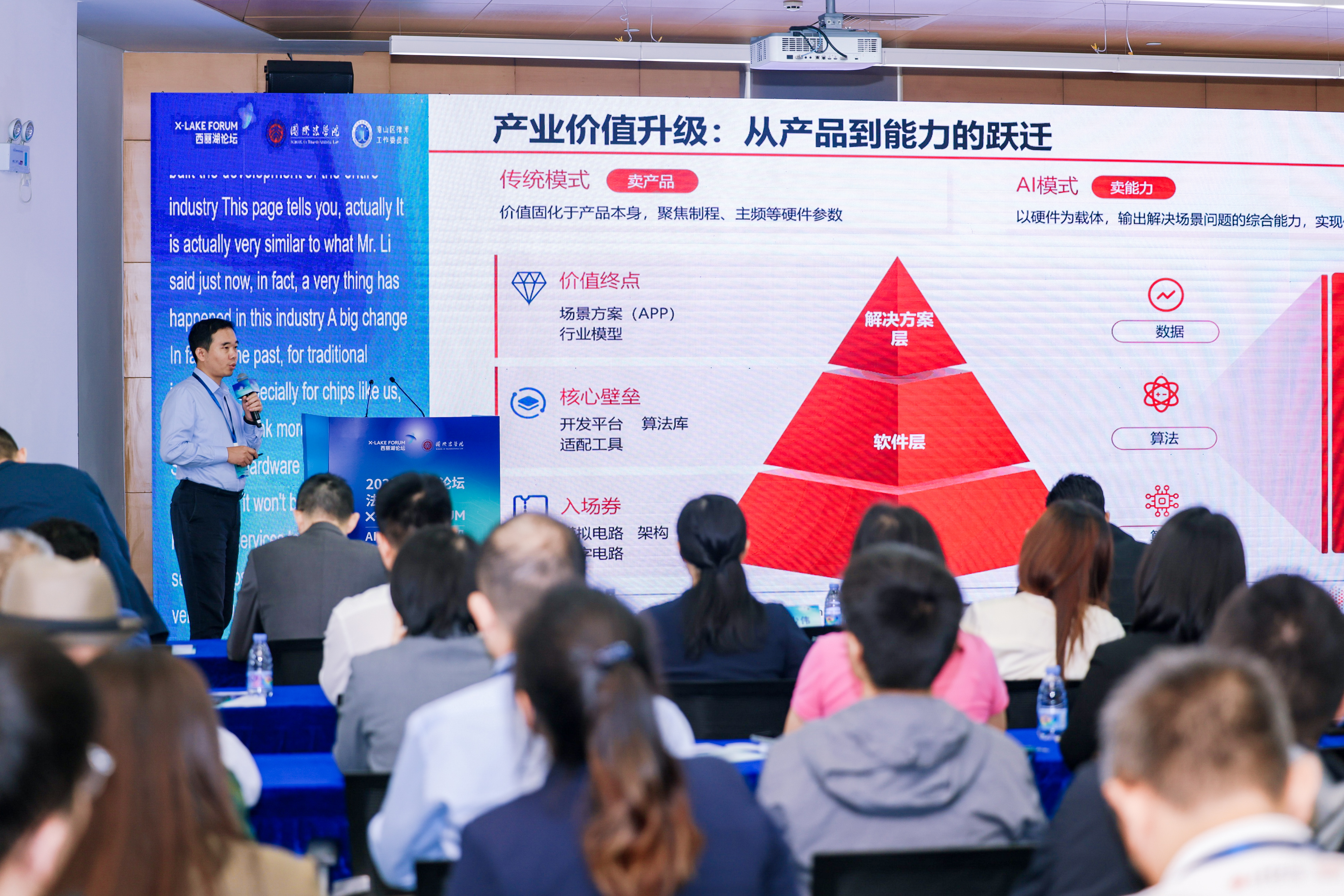
Li Tingbo, General Manager of Shenzhen SenseTime Technology Co., Ltd., and Ke Chunlei, Vice President of CHIPSEA Technologies Co., Ltd., shared in-depth insights on "Practical and Legal Issues in the Scientific Paradigm and Business Models of AI for Science". Li Tingbo, focusing on AI industry evolution and governance practices, shared industry transformation trends from AI 1.0 to AI 2.0, emphasizing that data, computing power, and large models will reshape various industrial forms. Combining his company's long-term deployment in chips, models, and scenario-based applications, he introduced practical experience ranging from technological investment to ethical governance system construction.
Ke Chunlei, starting from "The Role and IP Strategy of Chip Enterprises in the AI Era", shared how chip design companies are transitioning from "selling products" to "selling capabilities" against the backdrop of computing power driving industry chain restructuring. He proposed a strategic framework for building core corporate barriers based on the trinity of "Computing Power · Algorithms · Data". He also pointed out new challenges in rights ownership and compliance brought by AIGC participation in R&D and the application of open-source architectures, calling for the industry to jointly explore new rule systems adapted to the AI era.
Roundtable Discussion: Open Source Ecosystem and Intellectual Property Talent Cultivation
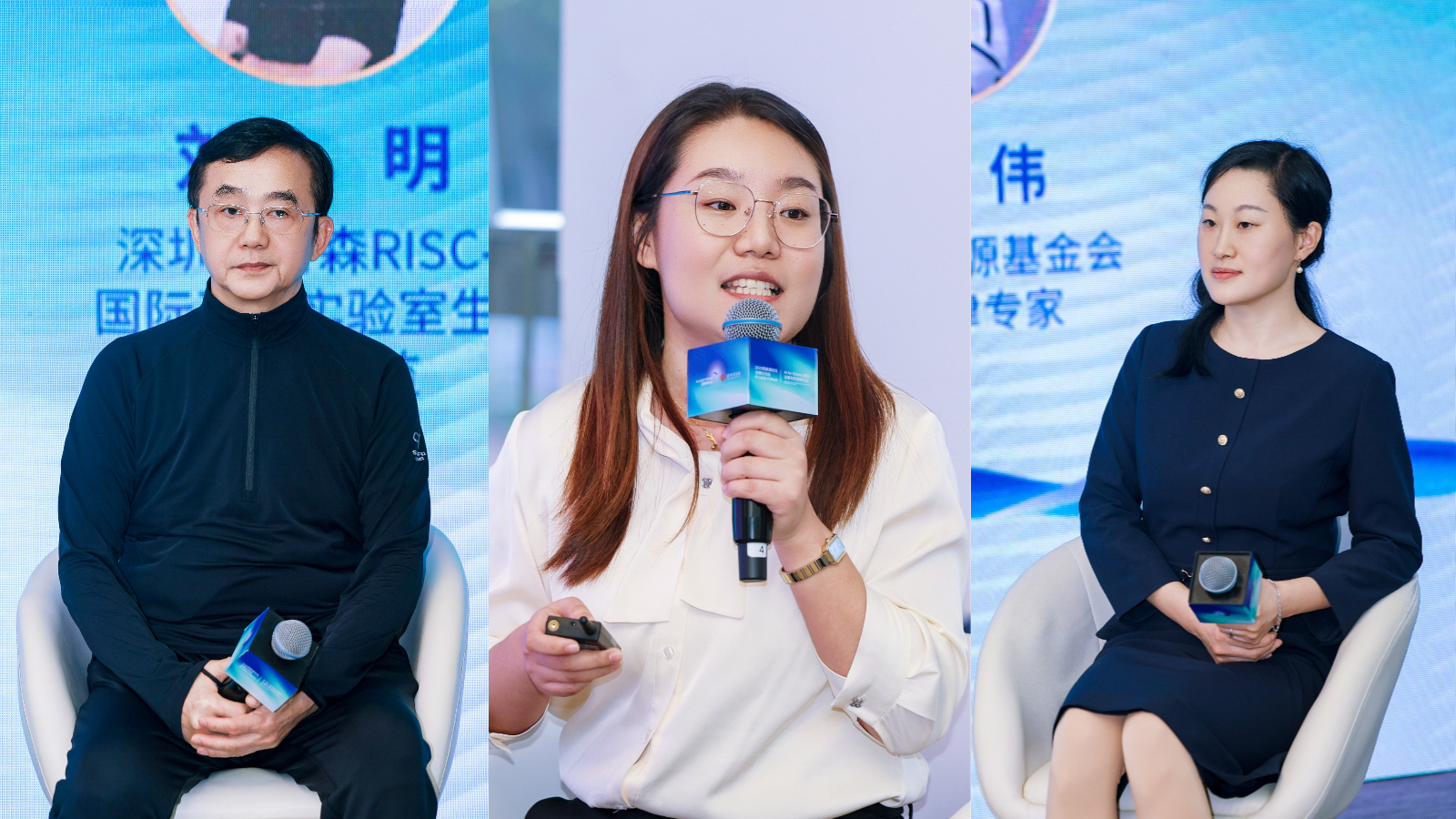
Hosted by Lou Xianying, Head of the Intellectual Property Practice at King & Wood Mallesons International Center, a roundtable discussion on "Opportunities and Pitfalls of the AI Open-Source Ecosystem: Open-Source Licensing, Liability Allocation, and Trade Secret Protection" was held. Participants included Liu Ming, Ecosystem Operations Director of the Shenzhen Patterson RISC-V International Open Source Laboratory; Zheng Weina, Head of Software Engineering and Intelligent Agent Applications at JD Cloud; and Liu Wei, Senior Legal Expert at the OpenAtom Foundation. They analyzed the opportunities and risks of the AI open-source ecosystem from technical, commercial, and legal dimensions.
Liu Ming, drawing from the practices of the RISC-V International Open Source Laboratory, explained how open-source instruction sets and open-source chips are reshaping future computing architecture at the "computing power + ecosystem" level, mitigating risks of technological bottlenecks and serving national data and intelligent industry strategies. Zheng Weina, based on JD.com's intelligent agent practices over the past three years, demonstrated how JD.com relies on the open-source ecosystem and large model capabilities to support business scenario upgrades in retail, logistics, etc., while also pointing out practical challenges enterprises face in AI applications, such as scenario sorting, data aggregation, and computing power costs. Liu Wei outlined the evolution of model open-source licenses from "custom agreements" to standardized model licenses, using "acknowledge me, use freely, bear the consequences" to introduce common features of open-source license agreements. He then used the OpenAtom Open Model License as an example to explain how such licenses can provide clearer and more sufficient authorization for model parameters and weights, making them more suitable for model open-source scenarios compared to traditional open-source software licenses.
Finally, chaired by Mao Shaowei, Associate Dean of STL, a roundtable discussion on "Cultivation of Foreign-Related Intellectual Property Talents" was held. Participants included Luo Fangjie, Deputy Division Director of the Communication Department at the Patent Office of CNIPA; He Jing, Managing Partner of GEN Law Firm; Li Jialin, Deputy General Manager of the Intellectual Property and Legal Department at BYD Co., Ltd.; and Liu Wei, Senior Legal Expert at the OpenAtom Foundation. They jointly explored the cultivation paths and ecosystem building for internationalized intellectual property talents.
Luo Fangjie briefly introduced the background for establishing the International Intellectual Property School. He Jing pointed out that against the backdrop of new technologies and transnational competition, it is essential to rely on legal governance capabilities, elevate the era's requirements for "legal professionals", and closely integrate legal education, especially intellectual property, with industrial development and national strategy. Li Jialin emphasized the sharp increase in overseas litigation pressure faced by Chinese enterprises, therefore future IP talents must possess capabilities in risk insight, strategic business thinking, practical operation, and breaking through international rules to support enterprises in global competition. Liu Wei stressed that the market currently lacks truly "job-ready" interdisciplinary legal talents. Only by deeply integrating technology, patents, and law can one stand firm and go far in the intense competition of technology and intellectual property.

Closing Remarks: Law and Technology Co-shaping the Future
Zeng Changqing, Supervisor of the Shenzhen Lawyers Association, emphasized in the closing address that AI is profoundly reshaping the legal services industry. The legal profession should adhere to professional expertise, cross-sector collaboration, and technology for good, seeking balance between innovation and compliance, making law the "safety valve" and "catalyst" for technological development.
This forum was a vivid practice of legal coordination and technological integration in the Guangdong-Hong Kong-Macao Greater Bay Area, showcasing Shenzhen's pioneering and exemplary role in building an internationalized, modern legal environment. As an important platform for the comprehensive national science center in the Greater Bay Area, the Xili Lake International Science and Education City will continue to promote the deep integration of education, technology, and the rule of law. Looking ahead, STL will continue to join forces with various sectors, responding to technological change with legal wisdom, and contributing greater strength to building the Greater Bay Area into a model region where global technological progress and the civilization of the rule of law shine upon each other.